

Cumin and Coriander Grilled Vegetables Recipe
Cumin and Coriander Grilled Vegetables bring out the natural flavour of seasonal vegetables with a simple combination of whole spices and nutmeg. Carrots, cauliflower and parsnips are particularly suitable because their textures hold up well during roasting. Cumin adds warmth, coriander brings gentle citrus-like notes, and nutmeg contributes a subtle aromatic quality.
This is a flexible vegetable side dish that can change with the seasons. You can use the vegetables available in your kitchen and adjust the selection to suit the rest of the meal. The spice combination gives them a distinctive flavour without needing a complicated seasoning mix.
Which Vegetables Work Best with Cumin and Coriander?
Root vegetables and firm vegetables are good choices for this recipe. Carrots, parsnips and cauliflower can withstand the heat of the oven while developing softer centres and browned edges.
Carrots have a natural sweetness that becomes more noticeable during roasting. Parsnips offer a similar sweetness with a slightly earthier flavour. Cauliflower has a milder taste, so it provides a useful contrast to the stronger spices.
You can also include other seasonal vegetables. The main consideration is how quickly each vegetable cooks. Larger, firmer pieces generally need more time than delicate vegetables.
Zucchini, tomatoes, leafy greens and fresh herbs need less cooking time. Adding them later helps prevent them from becoming overly soft or losing their fresh character.
Cumin and Coriander Are a Natural Match for Roasted Vegetables
Cumin and coriander seeds are widely used together in savoury cooking. They have distinct flavours, but they complement each other particularly well in vegetable dishes.
Cumin has a warm, earthy taste with a slightly nutty quality. Coriander seeds are gentler, with mild citrus-like and sweet notes. Together, they create a balanced seasoning that suits both sweet root vegetables and mild vegetables such as cauliflower.
Whole seeds also bring a different experience from ready-ground spices. They retain their texture and release their aroma when crushed or heated. In this recipe, the seeds coat the vegetables with flavour rather than disappearing completely into a powdered seasoning.
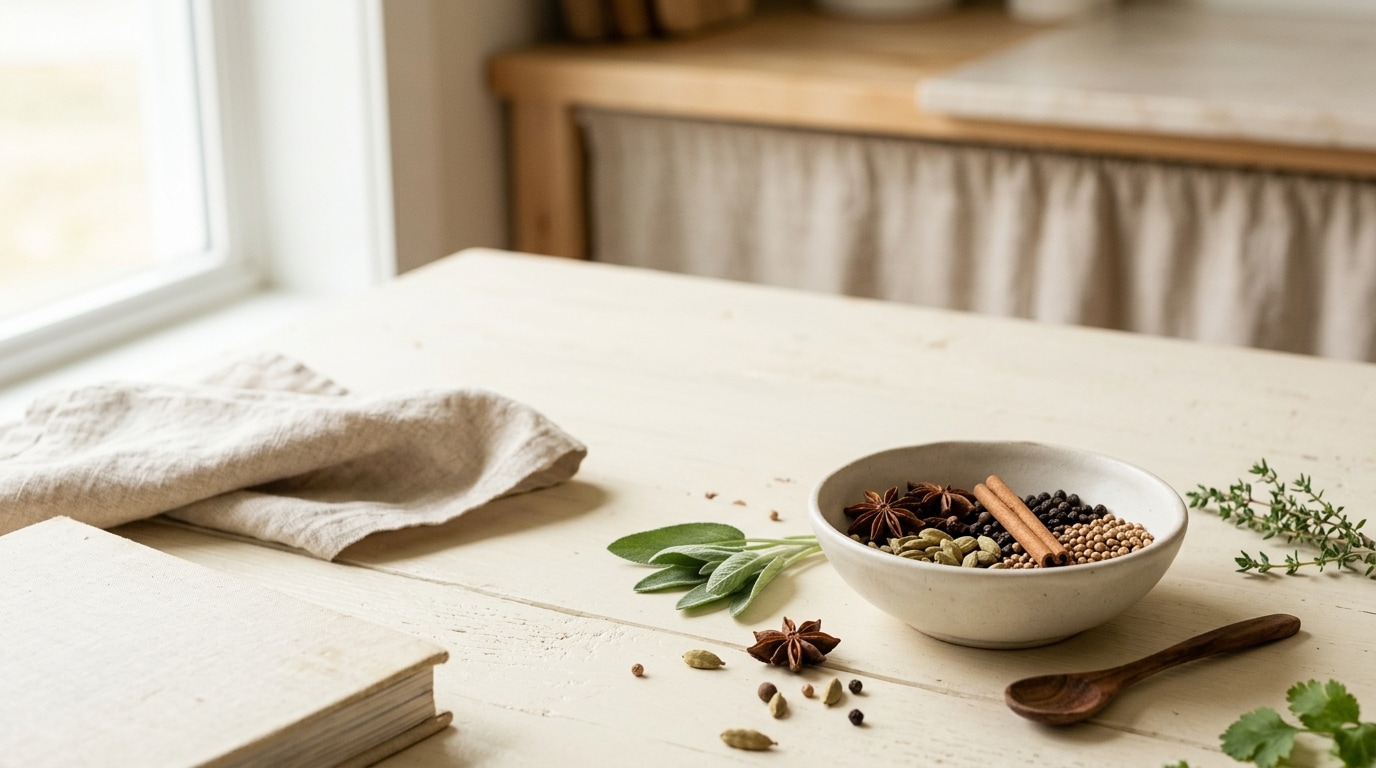
If you want to become more confident using whole spices, The Wannabe Cook's 15-Day Spice Starter Challenge introduces eight whole spices through guided daily experiences. It explores ingredients such as cumin and coriander, helping you understand their individual flavours and how to use them in everyday cooking.
What Does Nutmeg Add to Roasted Vegetables?
Nutmeg has a warm, slightly sweet aroma. It is often associated with creamy dishes and baking, but it also works well with vegetables.
Its flavour is particularly suitable for carrots, parsnips and cauliflower. These vegetables have mild or naturally sweet flavours that allow nutmeg to complement them without dominating the dish.
Freshly grated nutmeg has a fragrant quality that differs from the flavour of pre-ground nutmeg. A little is enough to add another layer to the cumin and coriander seasoning.
Nutmeg also shows how a spice commonly used in sweet recipes can have a place in savoury cooking. Its role here is subtle, supporting the main spices rather than becoming the dominant flavour.
Why Do Roasted Vegetables Taste Sweeter?
Roasting changes the flavour and texture of vegetables. Their surfaces lose moisture, while their natural sugars become more concentrated. This can create a sweeter, deeper flavour than you would get from boiling or steaming.
The surface of the vegetables can also develop browned areas through the Maillard reaction. This chemical reaction occurs between amino acids and reducing sugars during cooking, creating many of the savoury aromas associated with browned foods.
The results depend on the vegetable, its size and the cooking conditions. Carrots and parsnips often develop particularly noticeable sweetness, while cauliflower can take on a more savoury, nutty character.
These changes make roasting a useful cooking method for vegetables that might otherwise seem mild or ordinary.
Whole Cumin and Coriander Seeds in Oven-Roasted Vegetables
Whole spices are useful when you want their flavour to remain noticeable in a dish. Cumin and coriander seeds can add small bursts of aroma alongside the roasted vegetables.
Grinding or crushing the seeds releases some of their aromatic compounds. This helps distribute their flavour through the oil and across the vegetables.
The oil also helps the seasoning coat the vegetable surfaces. It supports even browning and carries the spice aromas throughout the dish.
For a collection of these spices at home, the Complete Wannabe Cook 8 Spices Wellness Bundle includes whole cumin, coriander and nutmeg, alongside five other spices. It also brings together guided cooking resources for exploring those ingredients in different recipes.
How to Roast Different Vegetables Without Overcooking Them
Not all vegetables cook at the same rate. A tray containing carrots, cauliflower and zucchini, for example, may need some attention to timing.
Firm vegetables usually take longer to become tender. Smaller or softer vegetables can cook much faster. Cutting vegetables into similar-sized pieces helps those with similar cooking times finish more evenly.
This is also why the recipe allows delicate vegetables to be added partway through cooking. Zucchini and tomatoes can become very soft if exposed to the full cooking time needed by larger root vegetables.
Leafy greens and fresh herbs are even more delicate. They are better suited to shorter cooking times or adding near the end.
The aim is to preserve some character in each vegetable rather than cooking everything until it has the same texture.
Serving Cumin and Coriander Grilled Vegetables
These vegetables make a versatile side dish for everyday meals. Their warm seasoning works alongside grilled or roasted meats, rice dishes and lentils.
They can also form part of a vegetarian meal with grains, beans or other vegetable-based dishes. The cumin and coriander provide enough flavour to make the vegetables interesting without requiring a heavy sauce.
The choice of vegetables can change depending on the season and what you have available. That flexibility makes this recipe useful beyond a single combination of carrots, cauliflower and parsnips.
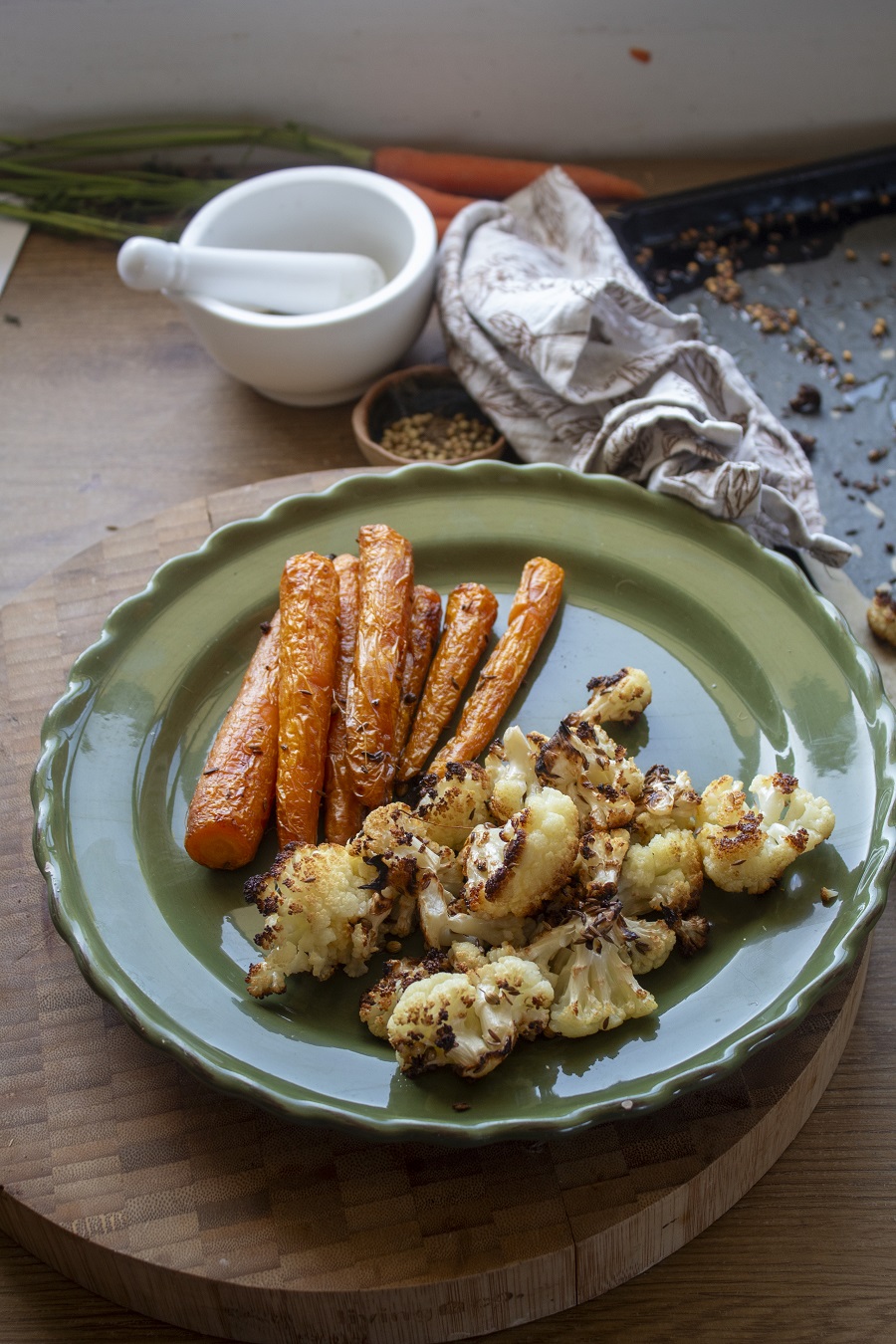
Cumin and Coriander Grilled Vegetables show how a few whole spices can give seasonal vegetables a more distinctive flavour. The sweetness of roasted vegetables, warmth of cumin, gentle citrus notes of coriander and aroma of nutmeg work together in a simple side dish.
Cumin and Coriander Grilled Vegetables Recipe
Ingredients
- 500 grams of vegetables of choice: carrots, cauliflower, parsnips etc
- 2 tablespoons oil (olive, canola, or vegetable etc)
- 2 teaspoons cumin seeds
- 1 tablespoon coriander seeds
- Grind fresh nutmeg
Instructions
- Preheat the oven to 400F.
- Slice or chop vegetables into large pieces, carrots can be left whole or slice in half lengthways if large.
- Mix the oil and seeds together then drizzle over the vegetables, using your hands to coat as well as possible. Tip onto a baking tray lined with baking paper. And spread out evenly.
- Cook for 20 minutes, rotate the oven tray then bake for 15-25 minutes until tender (this will depend on the size of your vege).
- Remove to an serving dish then sprinkle with extra toasted cumin seeds and plenty of flaky sea salt.