
Dried flower buds
Cloves
Syzygium aromaticum
Nail-shaped dried flower buds with a powerful, sweet-pungent aroma. A small amount transforms a dish — native to the Maluku Islands, the original Spice Islands of Indonesia.
At a glance
A quick read on cloves
The essentials — where it comes from, how it grows, and why it earned its place in the kitchen.
01 Geographic origin
Native to the Maluku Islands of Indonesia — for centuries the only place cloves grew.
02 Trade history
Among the most prized spices in medieval Europe, driving the age of exploration.
03 Why 'clove'
From the Latin clavus, meaning nail — the dried buds look just like small nails or tacks.
04 Modern production
Indonesia still leads, followed by Madagascar, Tanzania, Sri Lanka and India.
Flavor & aroma
Sharp, warm and sweetly pungent, with a faintly numbing, medicinal edge. Assertive and unmistakable.
Where it comes from
Native to the Maluku Islands in Indonesia (the original Spice Islands). Indonesia is still the largest producer, followed by Madagascar, Tanzania and Sri Lanka.
How to use it
- 1Stud a whole onion with cloves and simmer it in a stock or braise.
- 2Use whole in garam masala or rice — pull them out before serving.
- 3Tread lightly: one or two cloves reads as a seasoning, six takes over.
Pairs well with
- Ham
- Onions
- Oranges
- Mulled drinks
- Garam masala
- Apples
Health & traditional uses
What cloves is known for
These are the properties the spice has been valued for over centuries — read as traditional knowledge, not a prescription.
Antioxidant-rich
Packed with phenols and flavonoids that help neutralize free radicals.
Anti-inflammatory
Eugenol, clove oil's main compound, may help calm inflammation.
Antibacterial & antifungal
Strong antimicrobial action useful for oral and skin care.
Dental health
Clove oil's traditional numbing relief for toothache is no old wives' tale.
Digestive aid
Stimulates digestion and may ease gas, bloating and indigestion.
Pain relief
A natural analgesic long used for toothache and muscle aches.
A note on moderation. Fine in cooking. Clove oil is strong — always dilute it before use on skin or in the mouth, and keep it away from children.
did you know
A few fun facts
The small, surprising history behind cloves — the kind of thing worth bringing up over dinner.
So valued in medieval Europe they were used as currency and given as dowries.
A clove tree takes about six years to flower but can keep producing for over eighty.
The Dutch East India Company held a tight monopoly on clove growing for two centuries.
Intensely aromatic thanks to eugenol — the same note in many perfumes.
Used in rituals, ceremonies and as incense well beyond the kitchen.
In the kitchen
Using cloves in cooking
A versatile spice — here is where cloves earns its keep, course by course.
Spice blends
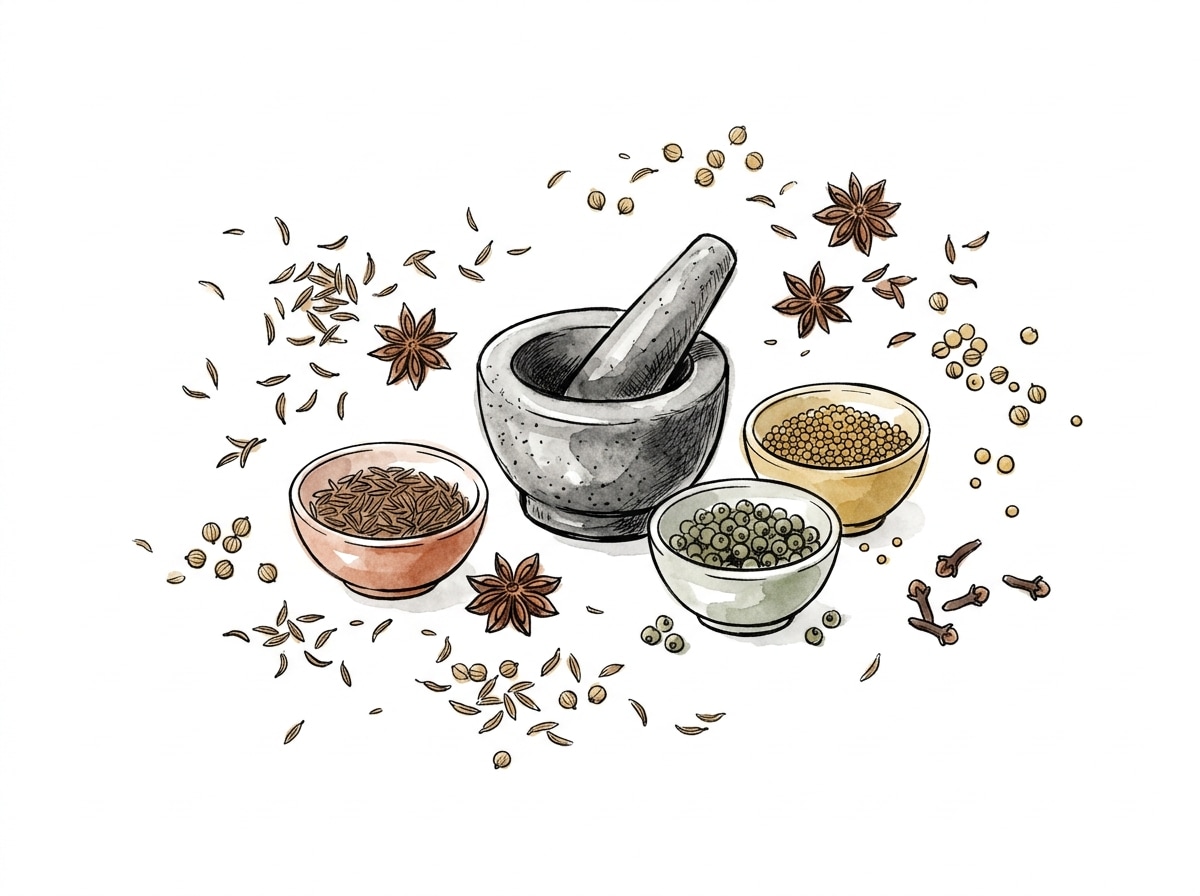
A key voice in garam masala and pumpkin spice.
Baking
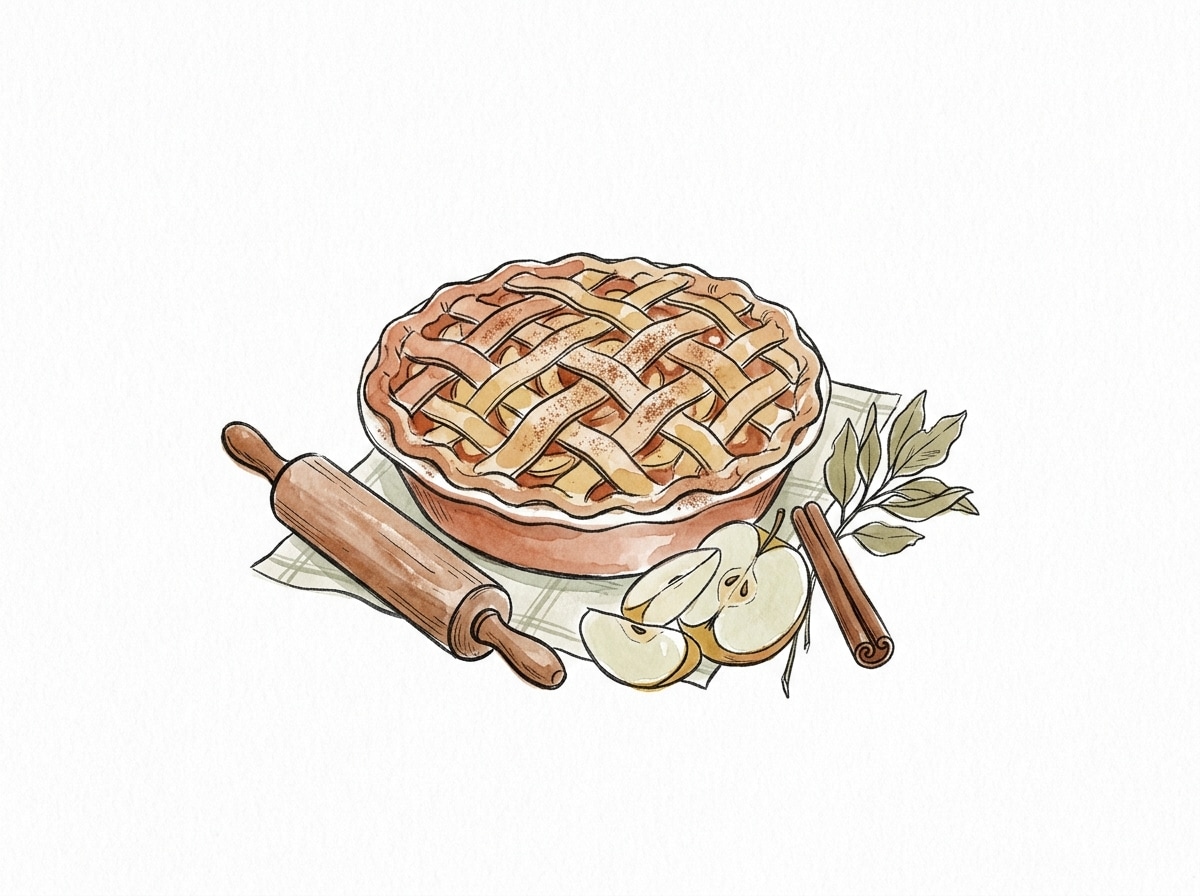
Lifts cakes, cookies and breads — especially beside apples and pears.
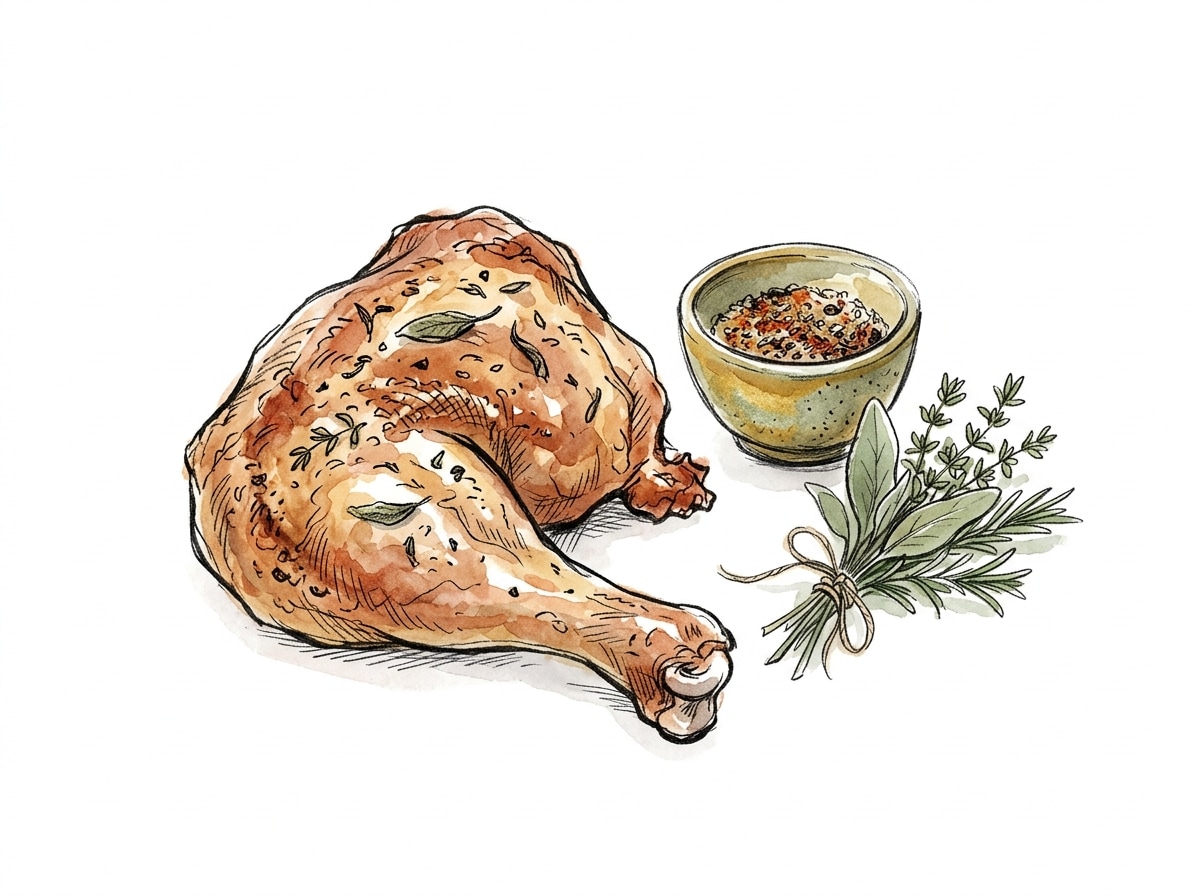
Meat & savory
Slow-cooked meats, marinades, biryanis, pilafs and stews.
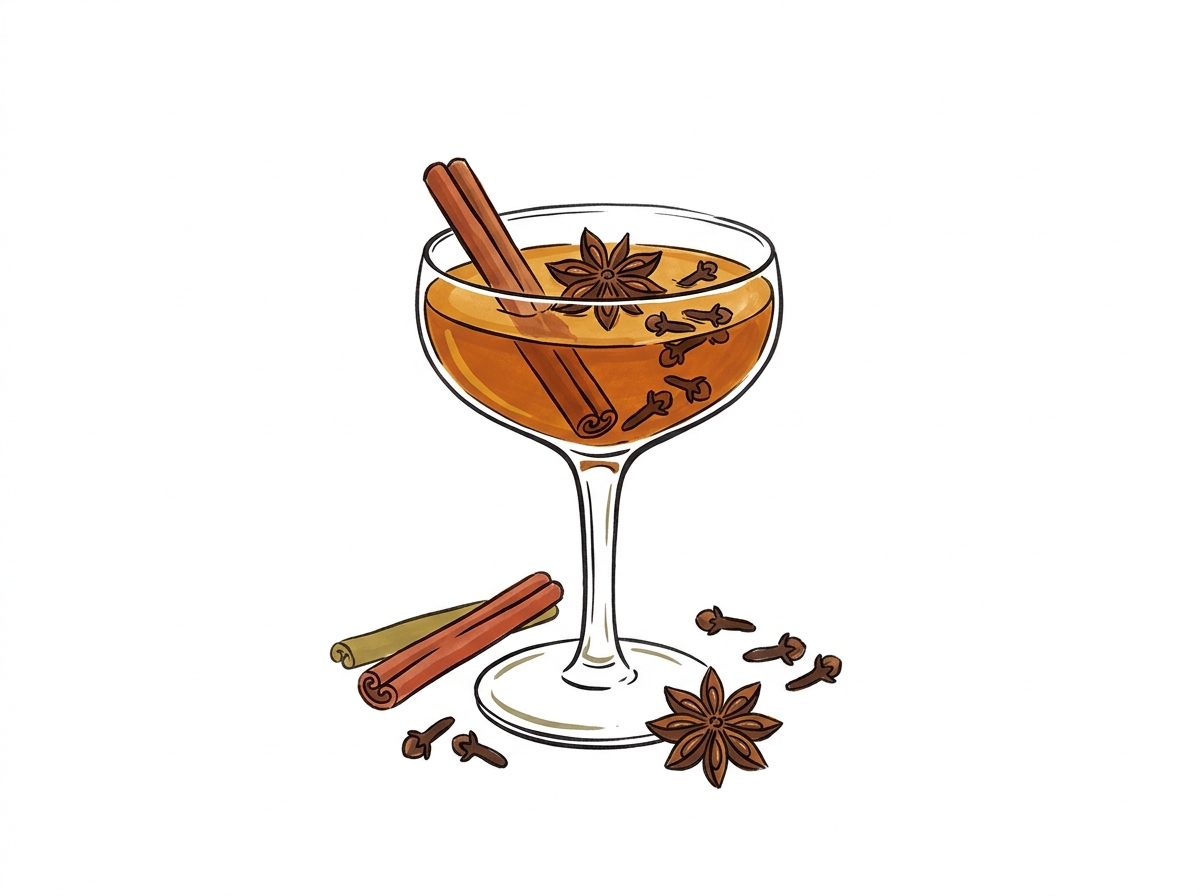
Beverages
Infuses mulled wine, cider and clove tea with warm spice.
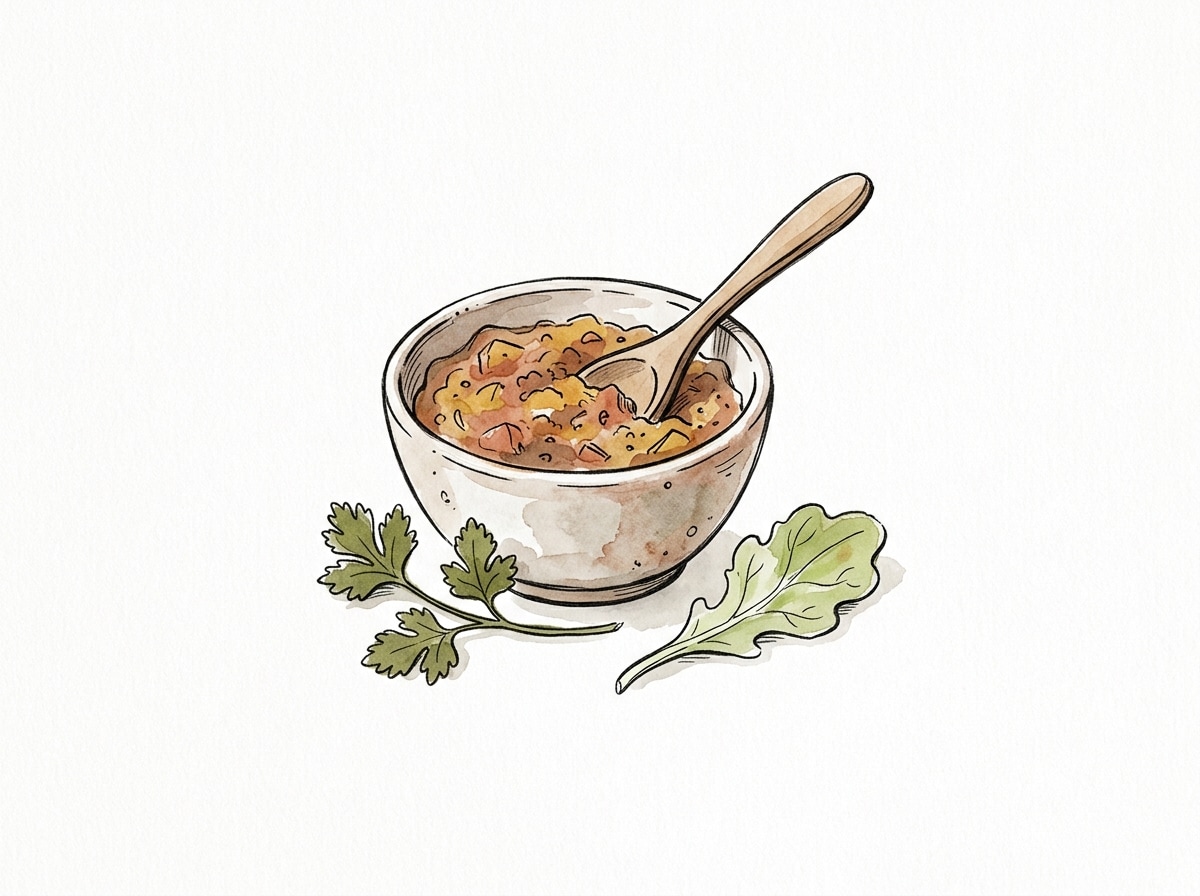
Chutneys & pickles
Added for aroma and its natural preserving quality.
A traditional remedy
Cloves as a cold remedy
Across cultures, cloves have been a go-to for colds and congested chests.
Clove tea
Whole cloves simmered with ginger and honey to soothe a sore throat.
Steam inhalation
A drop of clove oil in hot water, inhaled to clear the nose.
Warm gargle
Clove-infused warm water to ease throat inflammation.
From the recipe library
Recipes that feature cloves
See the spice in action — then make one tonight.
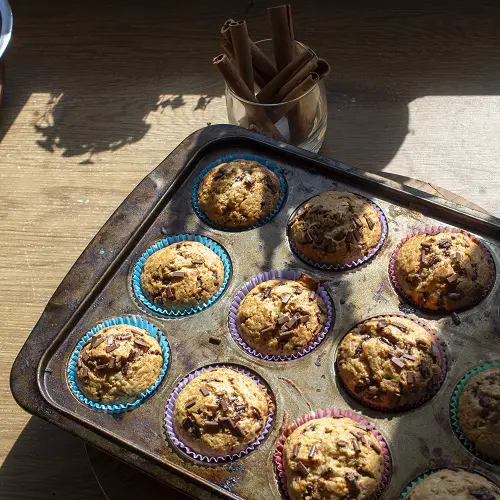
Easy Banana Muffins with Clove and Cinnamon
Easy Banana Muffins with Clove and Cinnamon Recipe Some smells just mean home. Clove and cinnamon together is one of those for me, the kind of warmth…
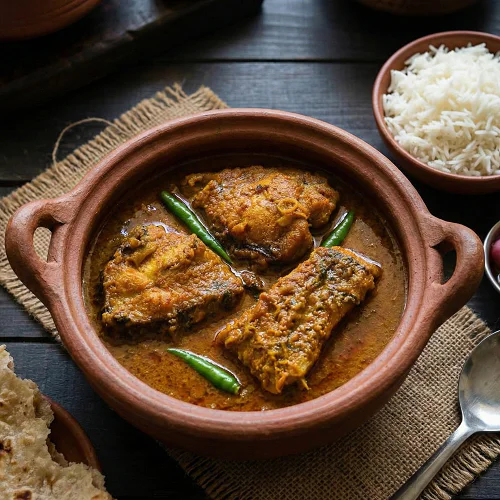
Maita/Ghora Mach: The Mighty Migratory Fish
Many of the fish found in Bangladesh’s rivers are not local. We get a lot of migratory fish in our rivers, which are seasonal, meaning they are only available…
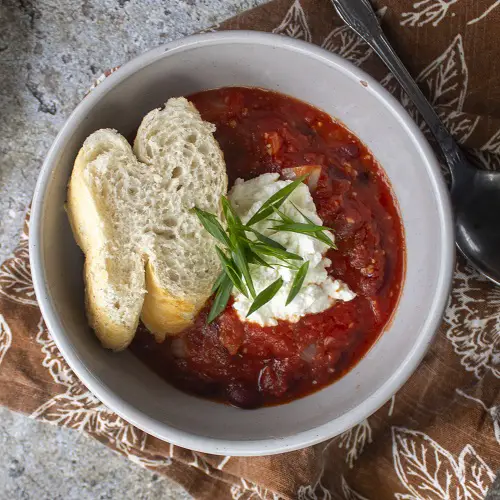
Spiced Red Bean Chili with Cinnamon and Clove
Spiced Red Bean Chili with Cinnamon and Clove Recipe Chili is one of those dishes that’s easy to make and easy to make well, but the spice mix is where…
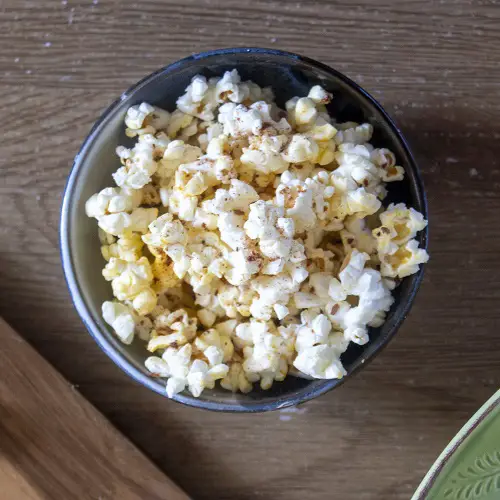
Spiced Popcorn
Cardamom and Coffee Cake Recipe Popcorn is an easy snack, and it does not add to your calorie count even if you have a lot of them. It’s one of those…
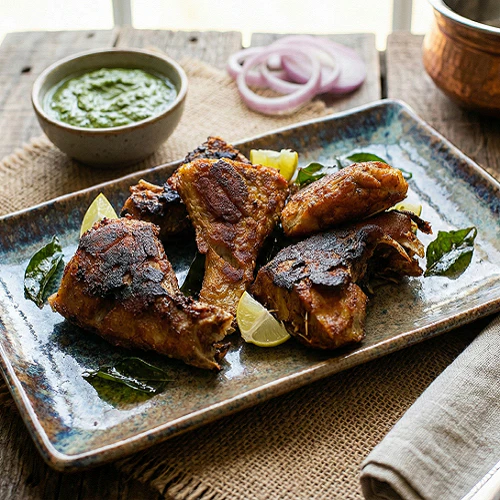
Pretty Pink and Delicious: Pink Perch – Meet Bangladesh’s Rupban
Living in the capital of Bangladesh, Dhaka, I was always a bit envious of people from Bangladesh’s coastal areas. Why? Because they had access to fish…
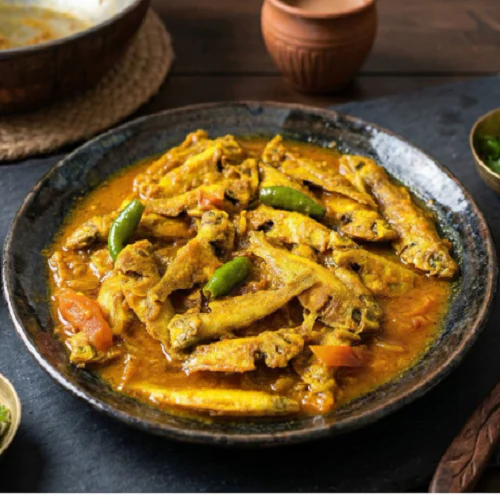
Chanda Fish: Small Indigenous Fish in Bangladesh
One of the great things about small indigenous fish in Bangladesh is that they’re not just a main dish, they make for a fantastic snack too. Take Chanda nama…
Cook's note
Cloves are potent. Count them rather than measuring — the line between seasoned and medicinal is thin.