
Seeds
Cumin
Cuminum cyminum
Small, ridged seeds with a deep, earthy warmth. The backbone of countless curry bases across South Asia, the Middle East and Latin America, cumin has seasoned food for over 4,000 years.
At a glance
A quick read on cumin
The essentials — where it comes from, how it grows, and why it earned its place in the kitchen.
01 Plant family
A member of Apiaceae — the same family as carrots, celery and parsley.
02 Global staple
Central to Indian, Middle Eastern, Mexican and North African cooking.
03 Flavor profile
Warm and earthy with peppery notes and a hint of citrus and anise.
04 Ancient history
Used since at least 2000 BCE — valued as medicine, seasoning and even currency.
Flavor & aroma
Warm, earthy and slightly smoky, with a savory, almost meaty depth. Toasted, it turns nutty and fragrant.
Where it comes from
Native to the eastern Mediterranean and Upper Egypt. Now grown widely across India, the Middle East and Mexico, it is one of the most-used spices on earth.
How to use it
- 1Toast whole seeds in a dry pan until they darken and smell smoky.
- 2Or bloom them in hot oil (tempering) until they crackle, then add aromatics.
- 3Grind toasted seeds fresh — cumin is the soul of a good curry powder.
Pairs well with
- Lentils & beans
- Lamb
- Chili
- Potatoes
- Cheese
- Tomatoes
- Flatbreads
Health & traditional uses
What cumin is known for
These are the properties the spice has been valued for over centuries — read as traditional knowledge, not a prescription.
Digestive aid
Stimulates the enzymes that break down sugars and fats, easing bloating.
Rich in antioxidants
Flavonoids and phenolic compounds that help neutralize free radicals.
Anti-inflammatory
May help reduce inflammation linked to joint pain.
Cholesterol
May help lower LDL cholesterol while supporting HDL.
Blood sugar
May improve insulin sensitivity and glucose uptake.
Antimicrobial
Helps fight certain bacteria and slows food spoilage.
A note on moderation. Safe in cooking. Check with a doctor before using cumin supplements, especially during pregnancy.
did you know
A few fun facts
The small, surprising history behind cumin — the kind of thing worth bringing up over dinner.
In ancient times cumin symbolized love and fidelity and featured in wedding rituals.
Greeks and Romans believed it could ward off evil spirits and bring prosperity.
During WWII, roasted cumin seeds stood in for coffee in parts of Europe.
In India it is called jeera and appears in scripture dating to around 1500 BCE.
Cumin seed oil is used in aromatherapy, perfumery and cosmetics.
In the kitchen
Using cumin in cooking
A versatile spice — here is where cumin earns its keep, course by course.
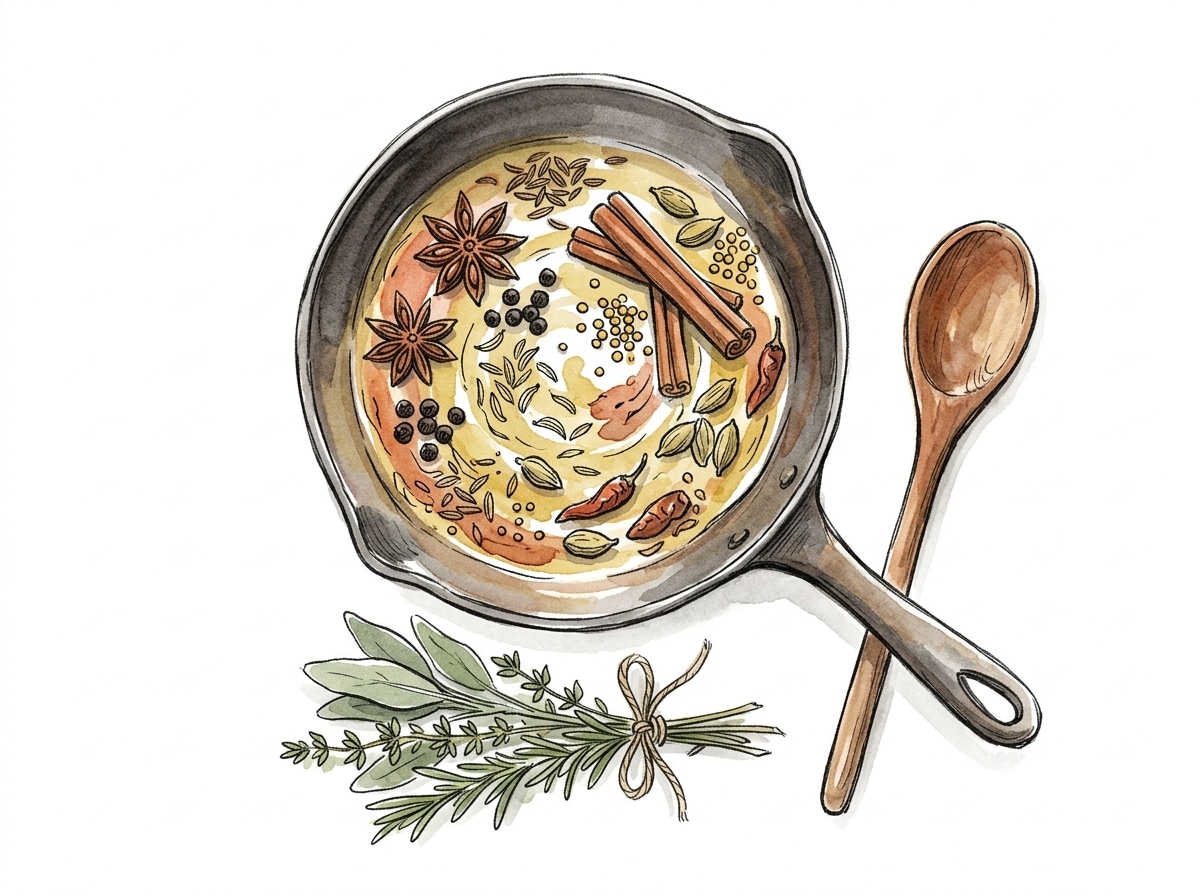
Tempering (tadka)
Whole seeds sizzled in hot oil to release their oils before the aromatics go in.
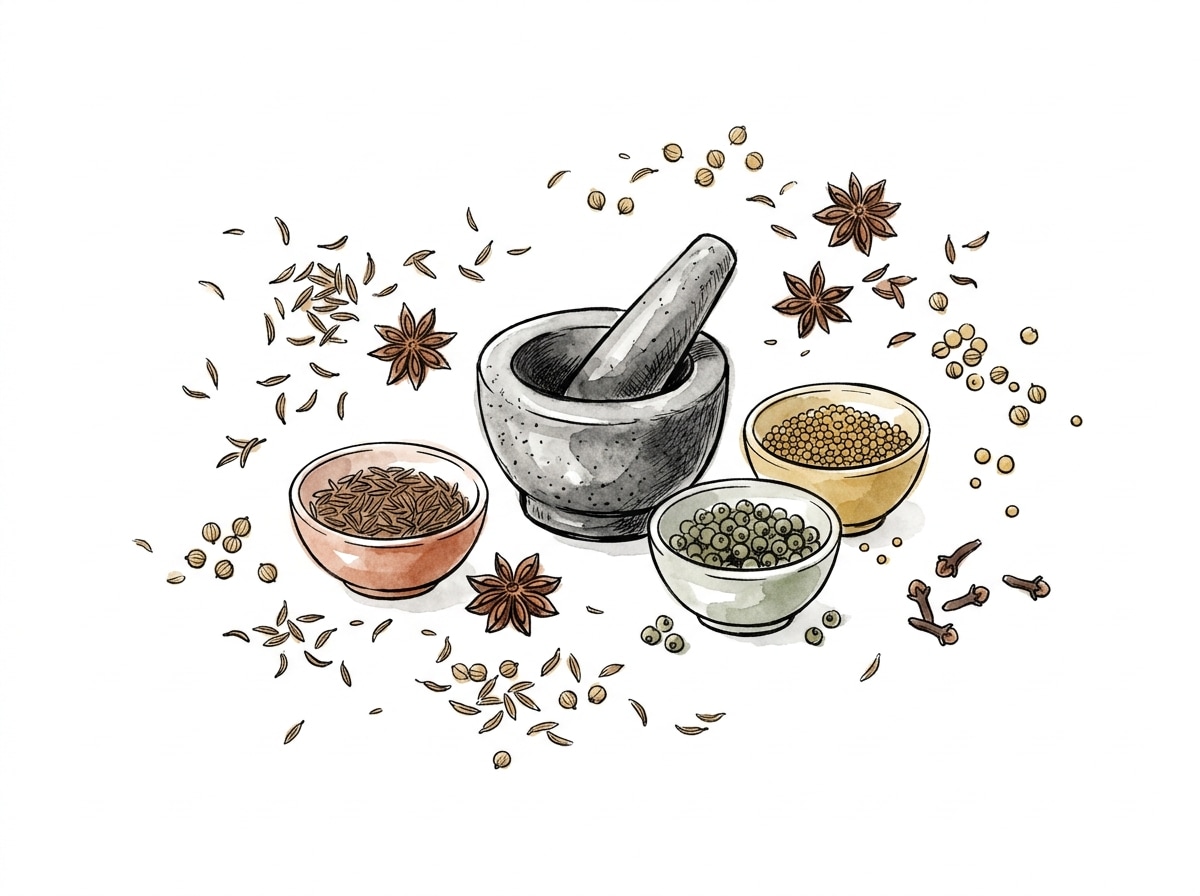
Spice blends
The foundation of garam masala, curry powder and chili powder.
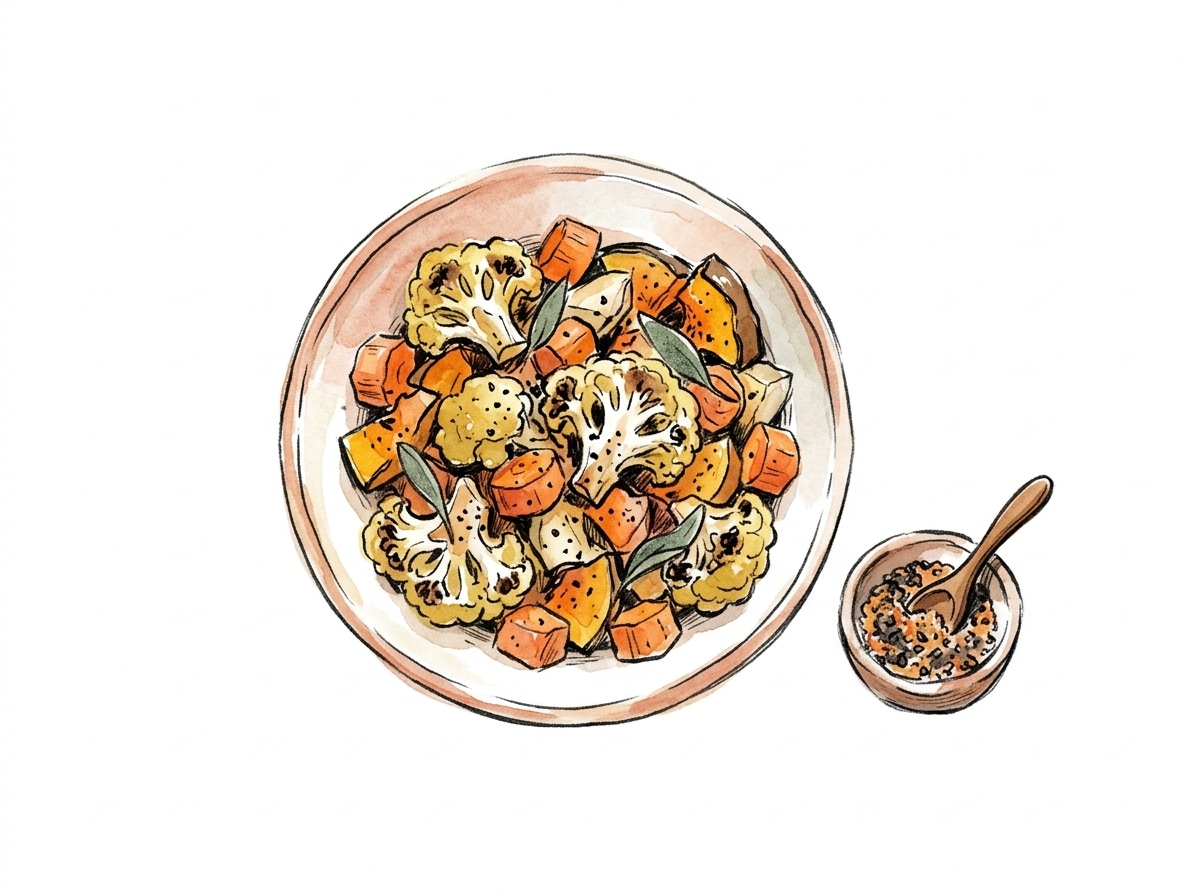
Roasting
Tossed with vegetables or meats before roasting for earthy depth.
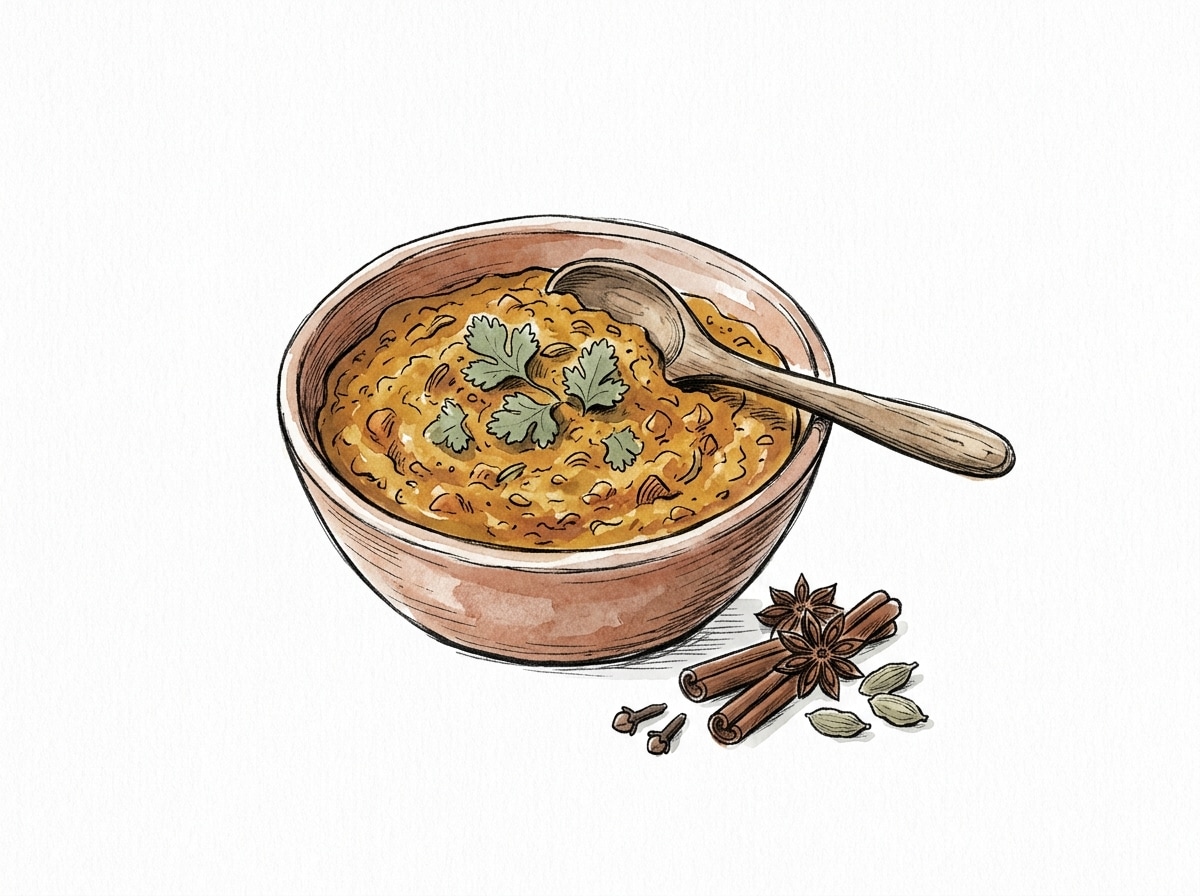
Soups & stews
Whole or ground, it builds savory complexity in lentil soups and chili.
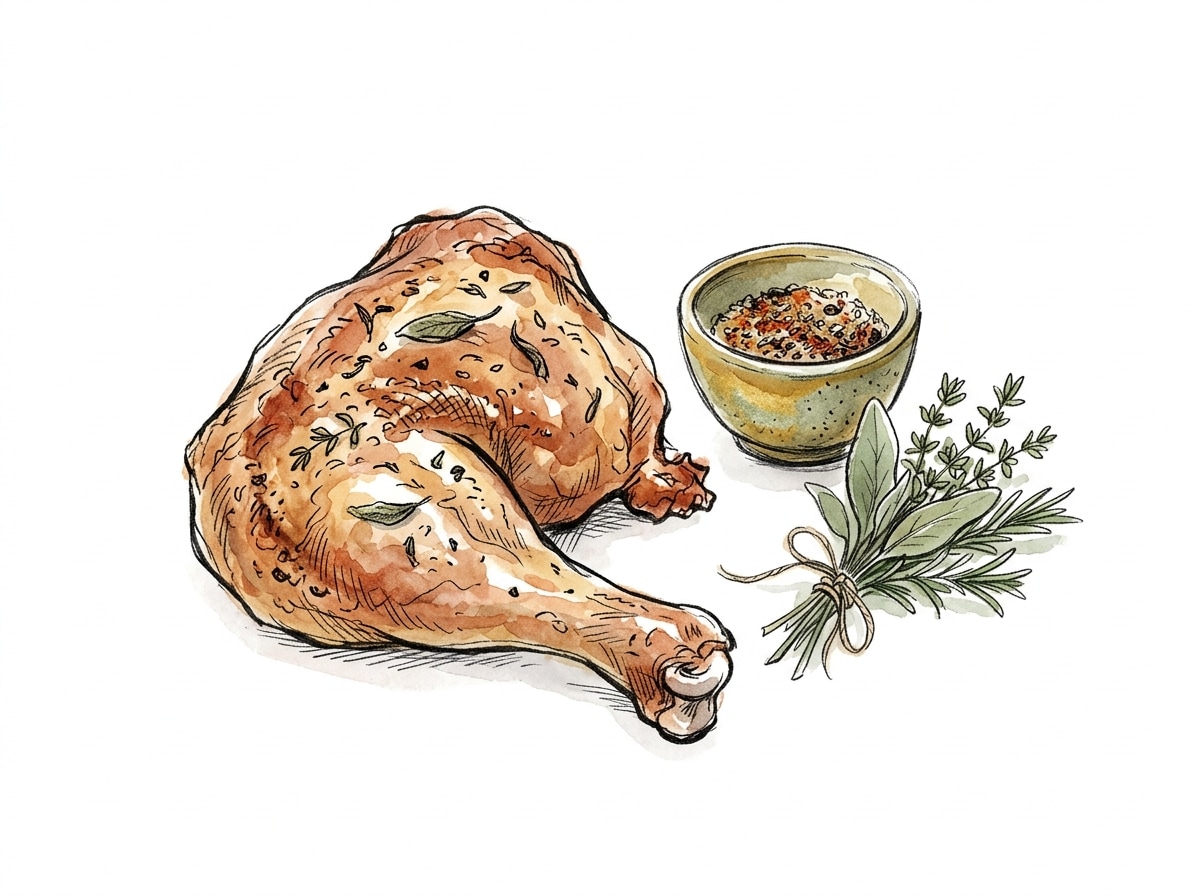
Rub & marinade
A core note in meat rubs across Tex-Mex and North African cooking.
A traditional remedy
Cumin across civilizations
Cumin has served as both a kitchen staple and a healing remedy across the ancient world.
Ancient Egypt
Used in cooking and medicine — and even as a form of currency.
Ayurveda
A longtime digestive aid in Indian traditional medicine.
Medieval Europe
Popular as a seasoning and as a meat preservative.
From the recipe library
Recipes that feature cumin
See the spice in action — then make one tonight.
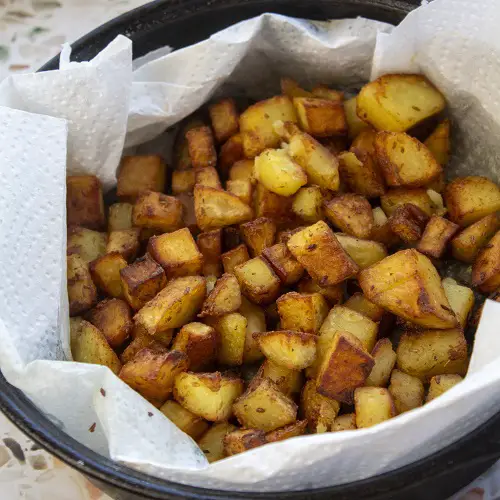
Breakfast Potatoes
Breakfast Potatoes Recipe Some mornings call for something more than toast, but not quite a full cooked breakfast either. These breakfast potatoes sit…
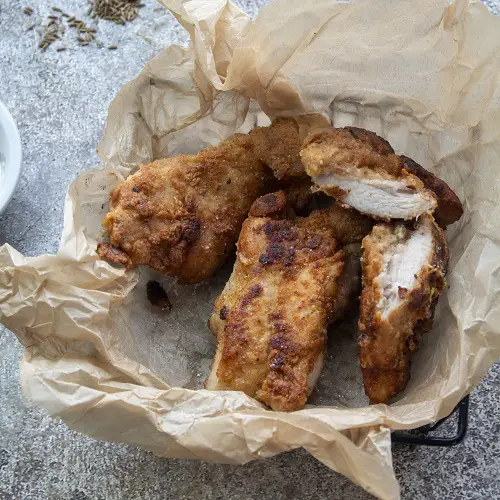
Spicy Fried Chicken
Spicy Fried Chicken Recipe Fried chicken doesn’t need to be complicated to be good. This recipe came out of wanting something quick for two people, with…
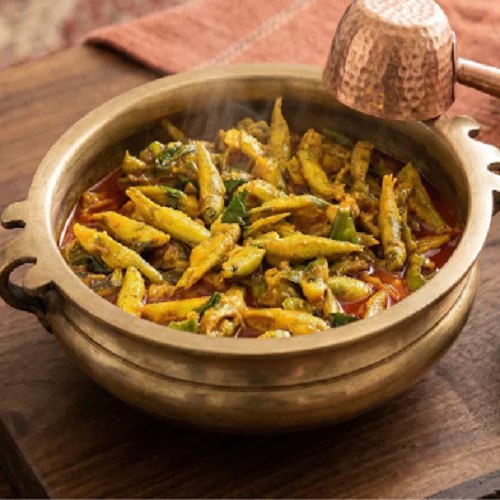
Another small wonder: Dhela Mach
We who grew up in Bangladesh know the importance of small fish. I have heard “ mola dhela mach khele choker jyoti bare” a thousand times over, meaning eating…
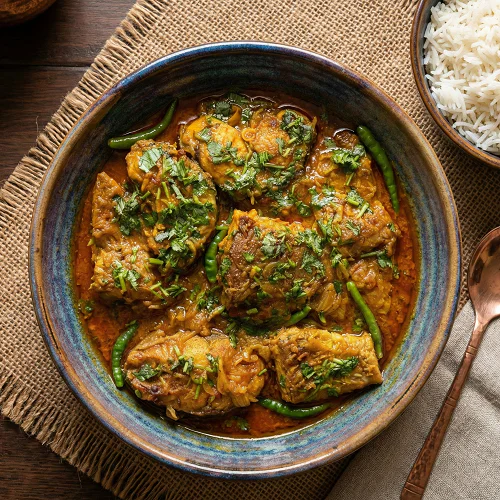
Tailla: The Indian Salmon from Bangladesh’s Bay of Bengal
I still remember the first time I discovered Tailla fish at a local market in Dhaka. I’d heard so much about salmon from all those Western shows and movies…
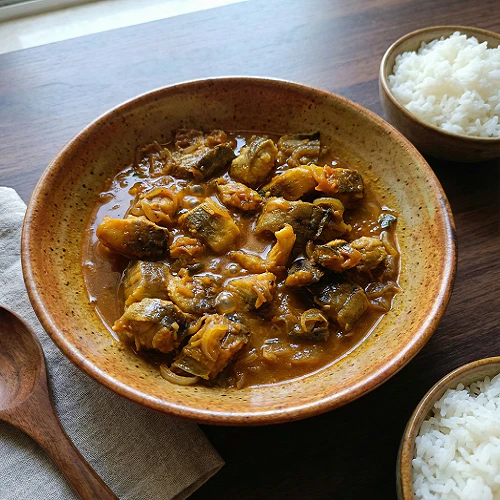
Tara Baim (Lesser Spiny Eel)
I may have mentioned my distaste for Baim (eel) fish in a previous blog post —something about the way it looks and how most people cook it just doesn’t sit…
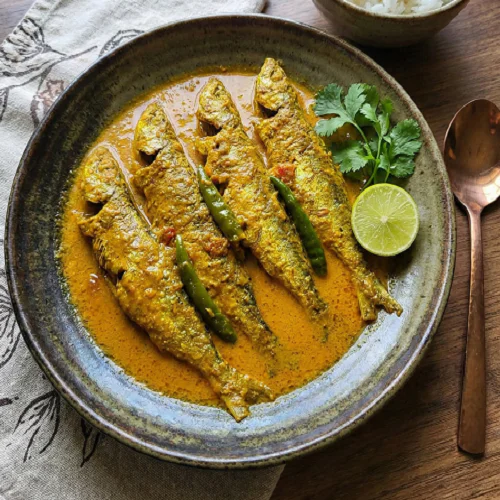
Thai Sharpunti
Growing up, Thai Sharpunti—or silver barb—was just another fish on the dinner table. I can bet that not a single Bengali would name Sharpunti as their…
Cook's note
Cumin and coriander are a classic pair — roughly two parts coriander to one part cumin balances the heat.