
Seeds
Coriander
Coriandrum sativum
The round, tan seeds of the cilantro plant. Bright and citrusy where cumin is dark — they balance each other in almost every curry blend, and have seasoned food since at least 1550 BCE.
At a glance
A quick read on coriander
The essentials — where it comes from, how it grows, and why it earned its place in the kitchen.
01 Plant family
A member of Apiaceae, alongside carrots, celery and parsley.
02 Dual identity
Its fresh leaves are cilantro in the Americas — but the seeds and leaves taste nothing alike.
03 Global cultivation
Spread along ancient Greek, Roman and Arab trade routes and now grown worldwide.
04 Essential oil
Seeds are pressed for oil used in perfumery, aromatherapy and flavoring.
Flavor & aroma
Citrusy, mild and lightly floral, with a clean, almost lemony brightness. Nothing like the fresh leaf.
Where it comes from
Native to southern Europe and the eastern Mediterranean, now grown worldwide. One of the oldest known spices, found in ancient Egyptian tombs.
How to use it
- 1Toast seeds lightly until fragrant, then grind fresh.
- 2Use ground coriander to mellow the heat of chilies and cumin.
- 3The whole seed is brilliant in pickling brines and dry rubs.
Pairs well with
- Lentils
- Fish
- Sausage
- Pickles
- Curries
- Cumin
- Lime
Health & traditional uses
What coriander is known for
These are the properties the spice has been valued for over centuries — read as traditional knowledge, not a prescription.
Digestive aid
Stimulates digestive enzymes and may ease bloating, gas and indigestion.
Anti-inflammatory
High in flavonoids and phenolic compounds that may calm inflammation.
Cholesterol
May help lower LDL while supporting HDL cholesterol.
Blood sugar
Can support insulin secretion and glucose uptake.
Antimicrobial
Helps fight certain bacteria and fungi while protecting cells.
Skin health
Traditionally used for acne and eczema thanks to its gentle antimicrobial action.
A note on moderation. Enjoy in moderation as part of cooking. Check with a doctor before using it therapeutically, especially during pregnancy.
did you know
A few fun facts
The small, surprising history behind coriander — the kind of thing worth bringing up over dinner.
Seeds have been found in ancient Egyptian tombs dating back to 3000 BCE.
Once believed to be an aphrodisiac and stirred into love potions.
Used to brew certain Belgian beers, like witbier, for a citrusy note.
Easy to grow at home — harvest the leaves fresh, then collect seeds after flowering.
Mentioned in ancient Sanskrit texts dating back to 1500 BCE.
In the kitchen
Using coriander in cooking
A versatile spice — here is where coriander earns its keep, course by course.
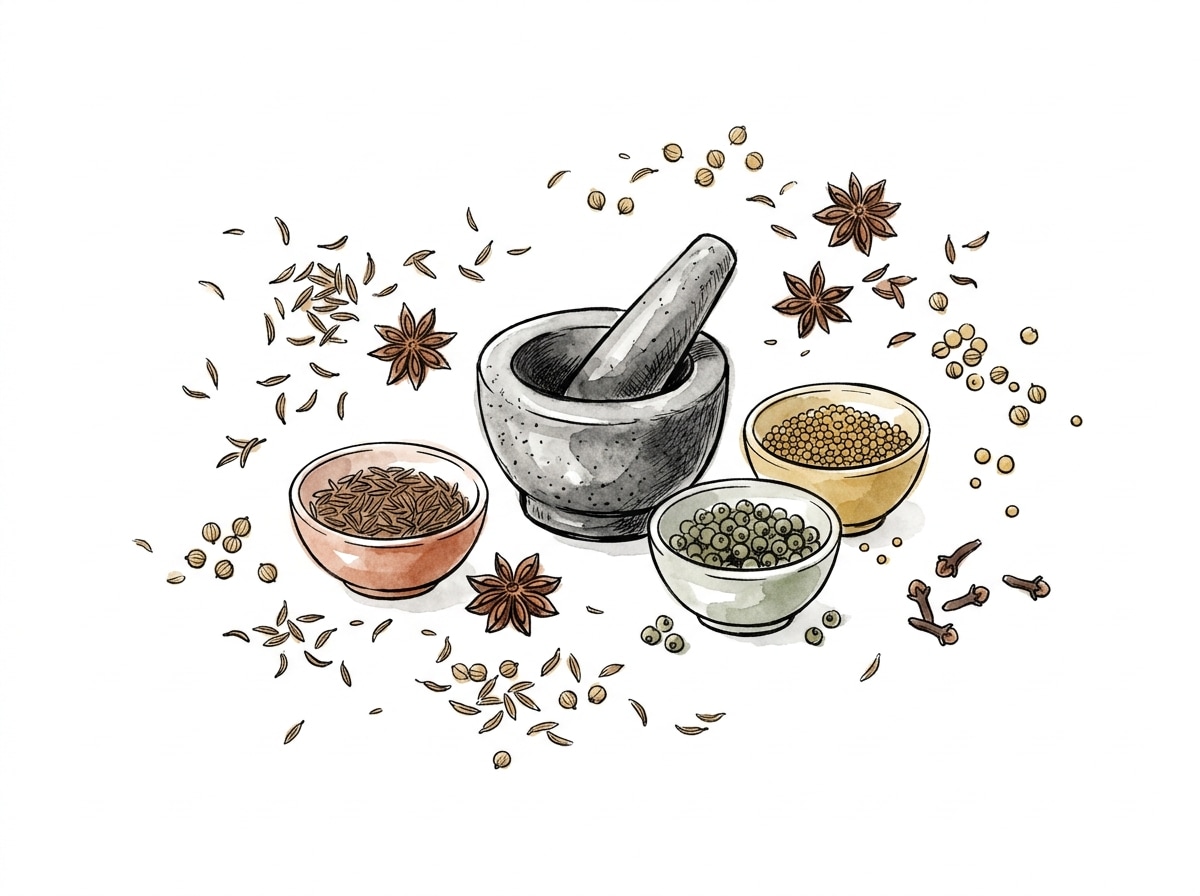
Spice blends
Ground seeds are key in curry powder, garam masala and harissa.
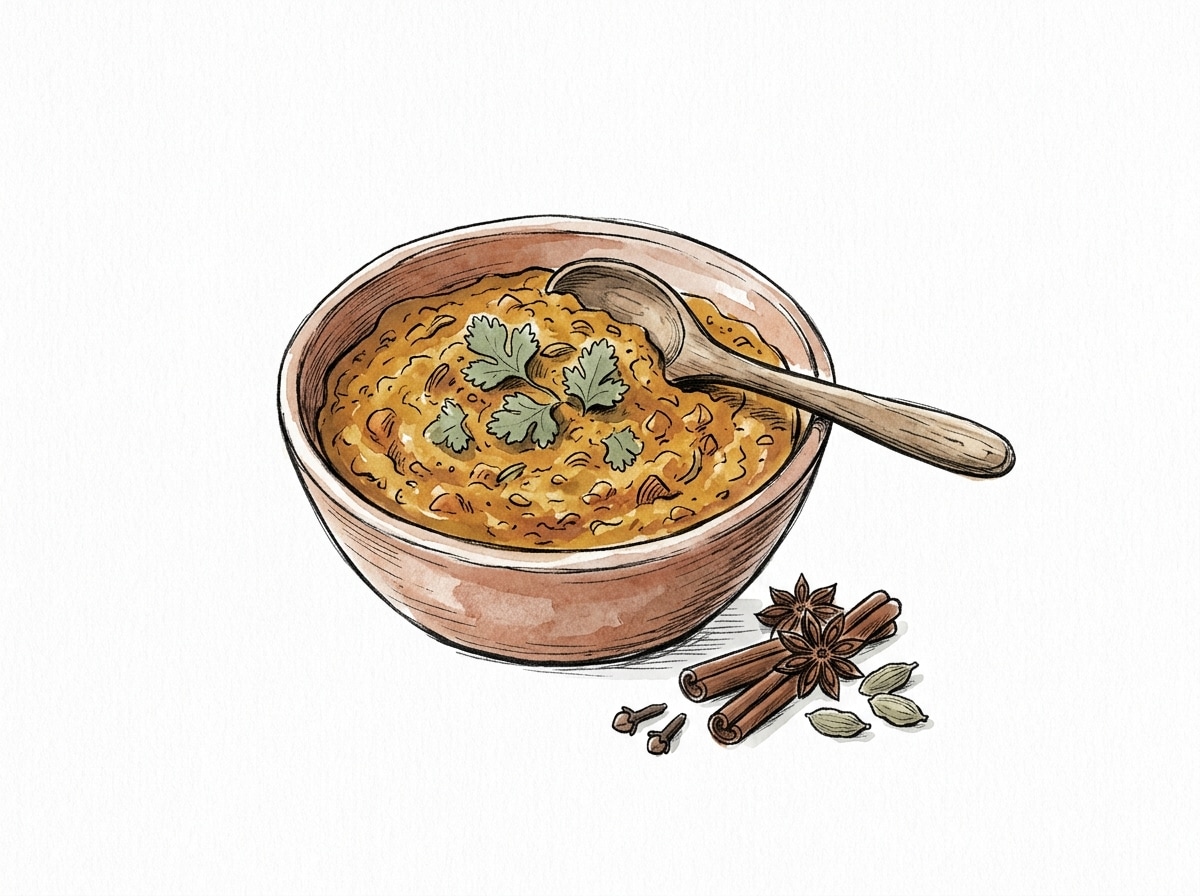
Soups & stews
Whole seeds dropped into broths for layered flavor.
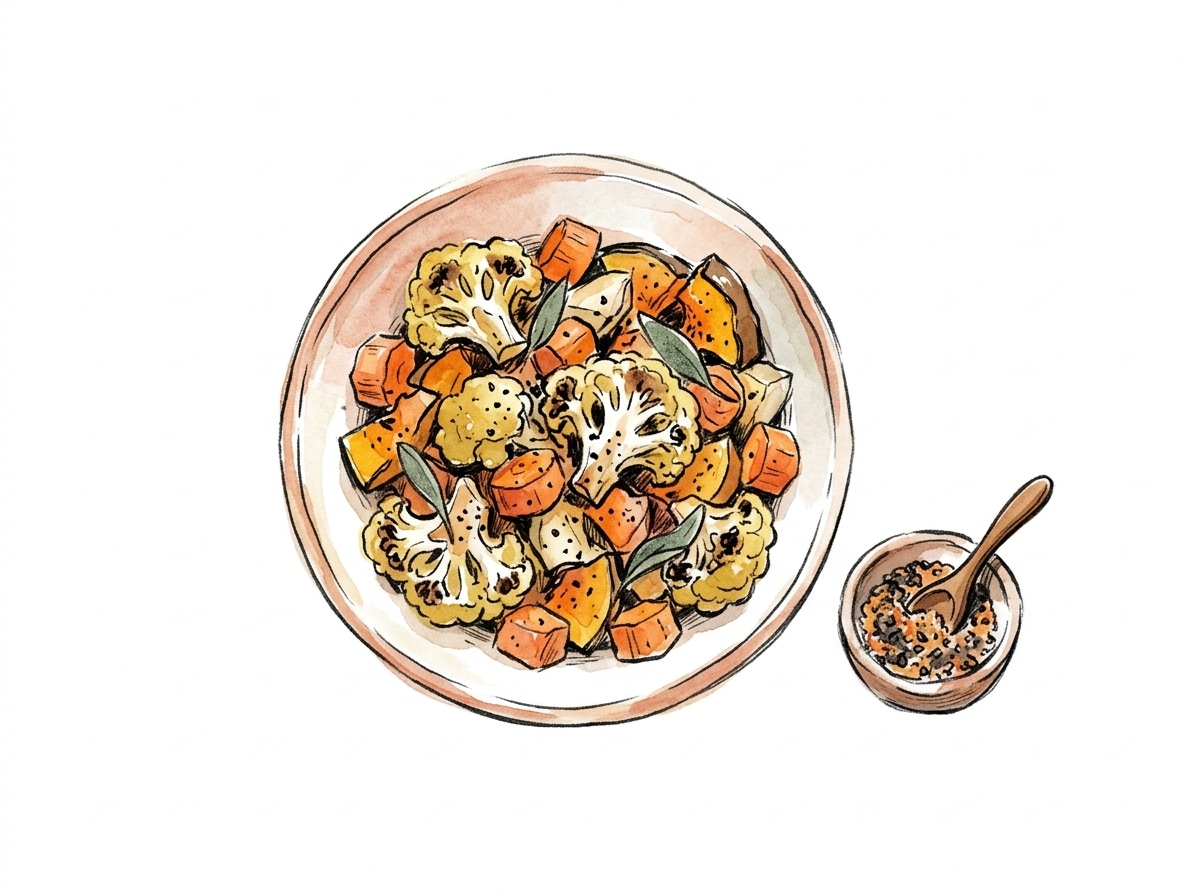
Roasting
Ground over roasted vegetables to lift their aroma.
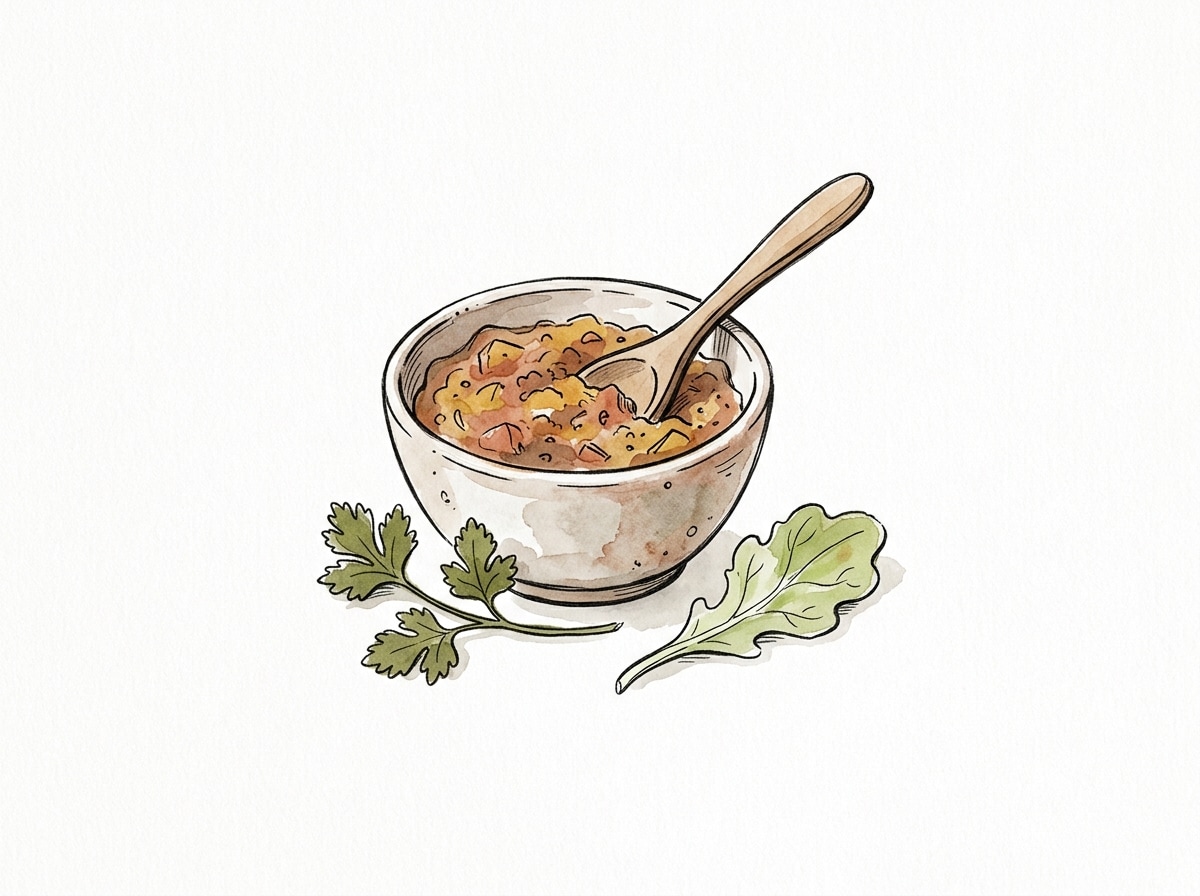
Salad dressings
Crushed into vinaigrettes with oil and herbs.
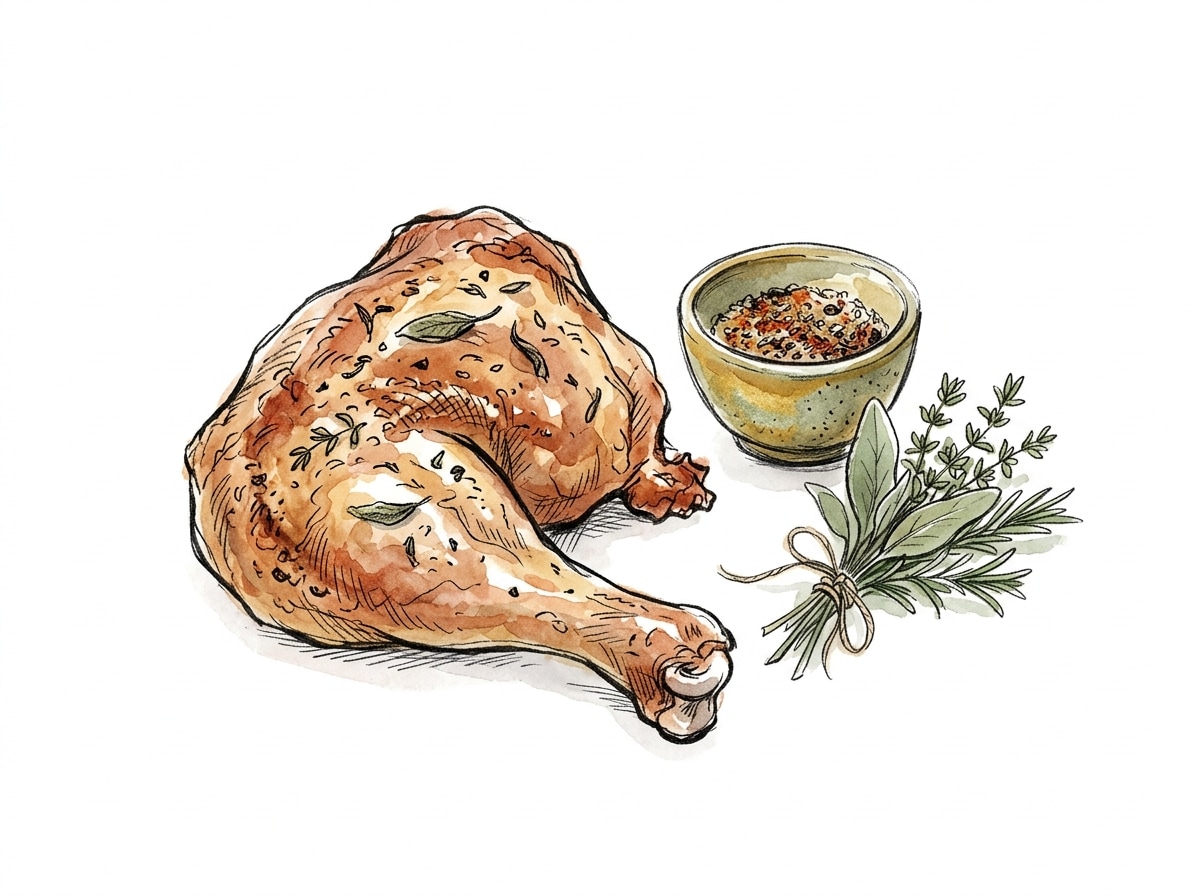
Meat rubs
Pairs with cumin and paprika as a crust for fish or chicken.
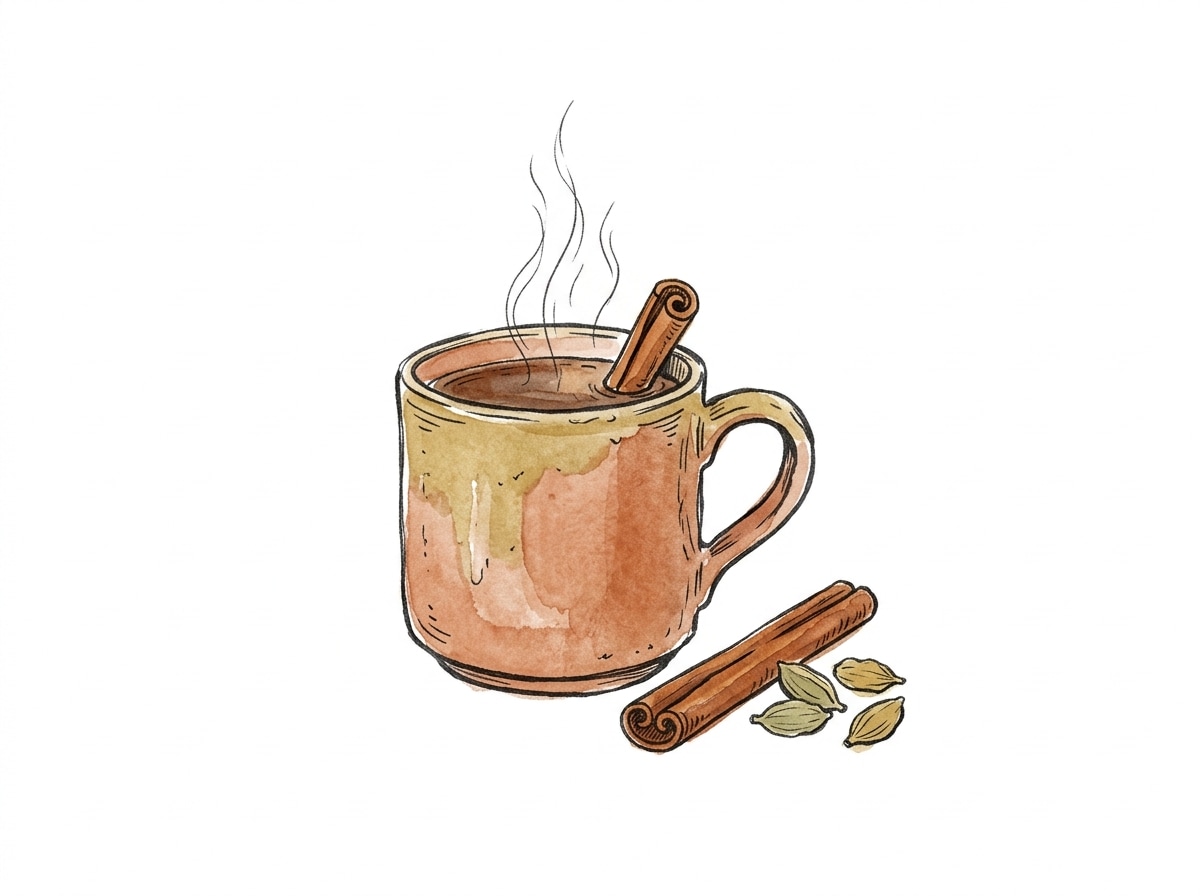
Tea
Crushed seeds steeped in hot water for a soothing, digestive cup.
A traditional remedy
A spice with deep roots
Coriander has played a role across civilizations for thousands of years — in cooking, medicine and ritual.
Ancient Egypt
Seeds placed in tombs and used in cooking and ritual as early as 1550 BCE.
Ancient Rome
Romans used the seeds to flavor breads and everyday meals.
Colonial Americas
Introduced by European colonizers, it became central to Latin American cooking.
From the recipe library
Recipes that feature coriander
See the spice in action — then make one tonight.
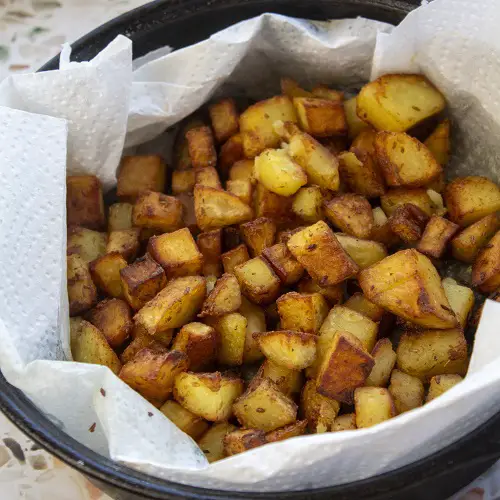
Breakfast Potatoes
Breakfast Potatoes Recipe Some mornings call for something more than toast, but not quite a full cooked breakfast either. These breakfast potatoes sit…
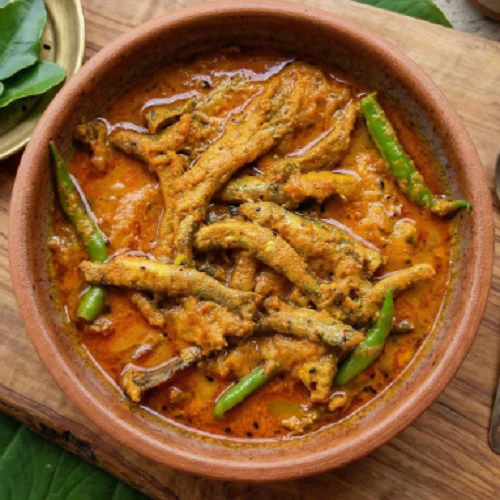
Chela: Affordable and Often Overlooked
If you try to imagine Bangladeshi fish, chances are you’ll picture the big ones first. Of course, our hilsha is famous — and rightfully so. The Bangladeshi…
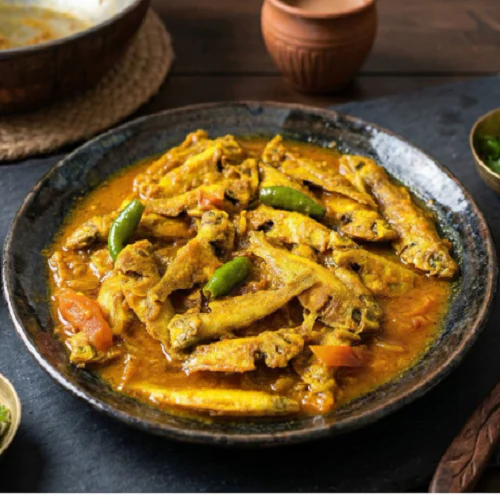
Chanda Fish: Small Indigenous Fish in Bangladesh
One of the great things about small indigenous fish in Bangladesh is that they’re not just a main dish, they make for a fantastic snack too. Take Chanda nama…
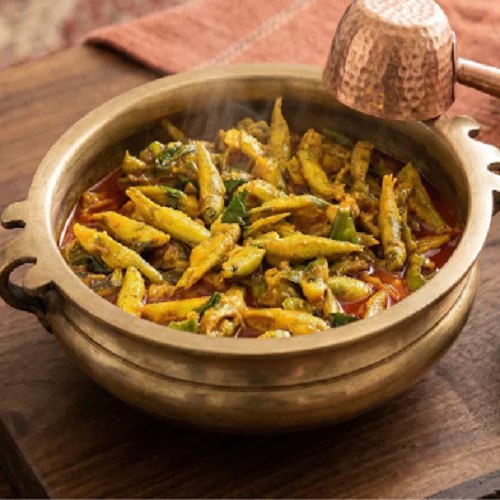
Another small wonder: Dhela Mach
We who grew up in Bangladesh know the importance of small fish. I have heard “ mola dhela mach khele choker jyoti bare” a thousand times over, meaning eating…
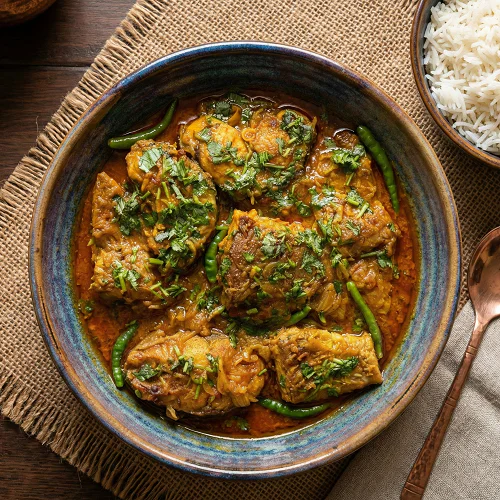
Tailla: The Indian Salmon from Bangladesh’s Bay of Bengal
I still remember the first time I discovered Tailla fish at a local market in Dhaka. I’d heard so much about salmon from all those Western shows and movies…
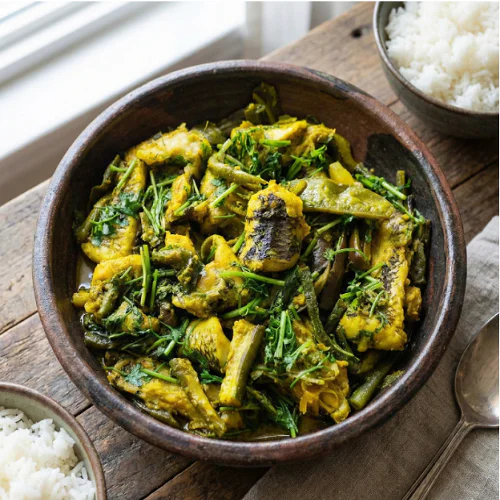
Kuli, Bhut Bailla
I know most Bengalis living abroad miss the abundant variety of fish we have back home. In Bangladesh, we have access to so many fish species that other…
Cook's note
Don't confuse seed with leaf. Ground coriander is the warm spice; fresh cilantro is the herb added at the end.