
Aril (seed covering)
Mace
Myristica fragrans
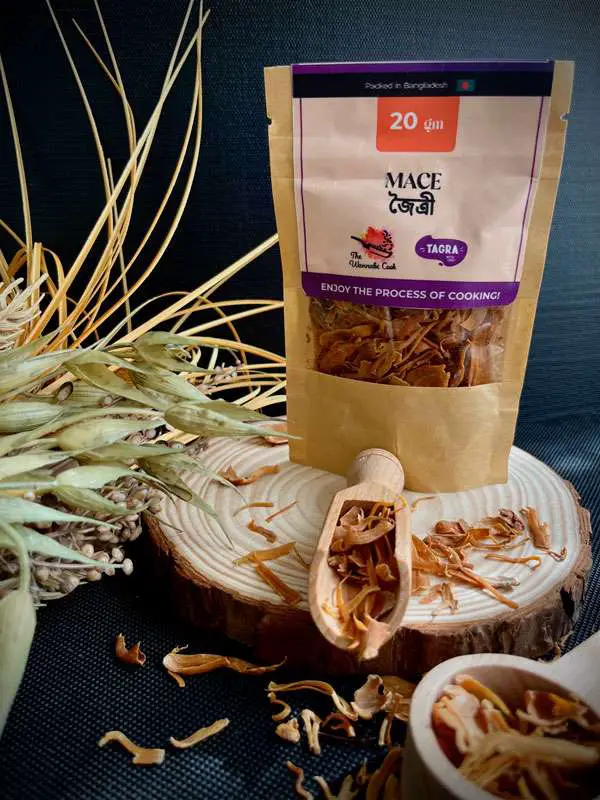
The lacy, deep-red covering of the nutmeg seed, dried into golden blades. Like nutmeg's more refined, gentler sibling — from the same fruit, but rarer, since each yields far less mace than nutmeg.
At a glance
A quick read on mace
The essentials — where it comes from, how it grows, and why it earned its place in the kitchen.
01 Same tree as nutmeg
Both come from Myristica fragrans — mace is the aril, nutmeg the seed inside.
02 Flavor profile
Sweeter and more delicate than nutmeg, with warm, nutty notes and a hint of pepper.
03 Forms
Sold as whole dried blades or ground; grinding blades fresh gives the best flavor.
04 Storage
Keep airtight, away from light and moisture, to hold its aroma.
Flavor & aroma
Warmer and more delicate than nutmeg, with a refined sweetness and a slight peppery finish. Less woody, more graceful.
Where it comes from
From the same fruit as nutmeg — the Banda Islands of Indonesia. Far rarer, since each fruit yields far less mace than nutmeg.
How to use it
- 1Use whole blades in slow-cooked sauces and pickles; strain them out.
- 2Grind fresh in small amounts — it loses aroma faster than nutmeg.
- 3In Bengali cooking, mace is a quiet hero of the whole-garam-masala bundle.
Pairs well with
- Sausage
- Sauces & gravies
- Doughnuts
- Bengali curries
- Soup
- Spinach
- Squash
Health & traditional uses
What mace is known for
These are the properties the spice has been valued for over centuries — read as traditional knowledge, not a prescription.
Digestive health
May stimulate digestive enzymes and relieve bloating and gas.
Anti-inflammatory
Contains bioactive compounds with anti-inflammatory effects.
Antioxidant
Rich in phenolics and flavonoids that help neutralize free radicals.
Oral health
Traditionally used for toothache; antibacterial against plaque bacteria.
Antimicrobial
Shows activity against certain bacteria and fungi.
A note on moderation. Use it in moderation as a culinary spice. As with nutmeg, more is not better — a little is all you need.
did you know
A few fun facts
The small, surprising history behind mace — the kind of thing worth bringing up over dinner.
Mace and nutmeg are siblings from the same fruit — one the aril, one the seed.
Highly valued through the Middle Ages and Renaissance for cooking and medicine.
In Hindu ritual it is associated with purity and sometimes used in ceremonies.
A common ingredient in curry powder and garam masala.
Each fruit yields far less mace than nutmeg, which is why it's the rarer sibling.
In the kitchen
Using mace in cooking
A versatile spice — here is where mace earns its keep, course by course.
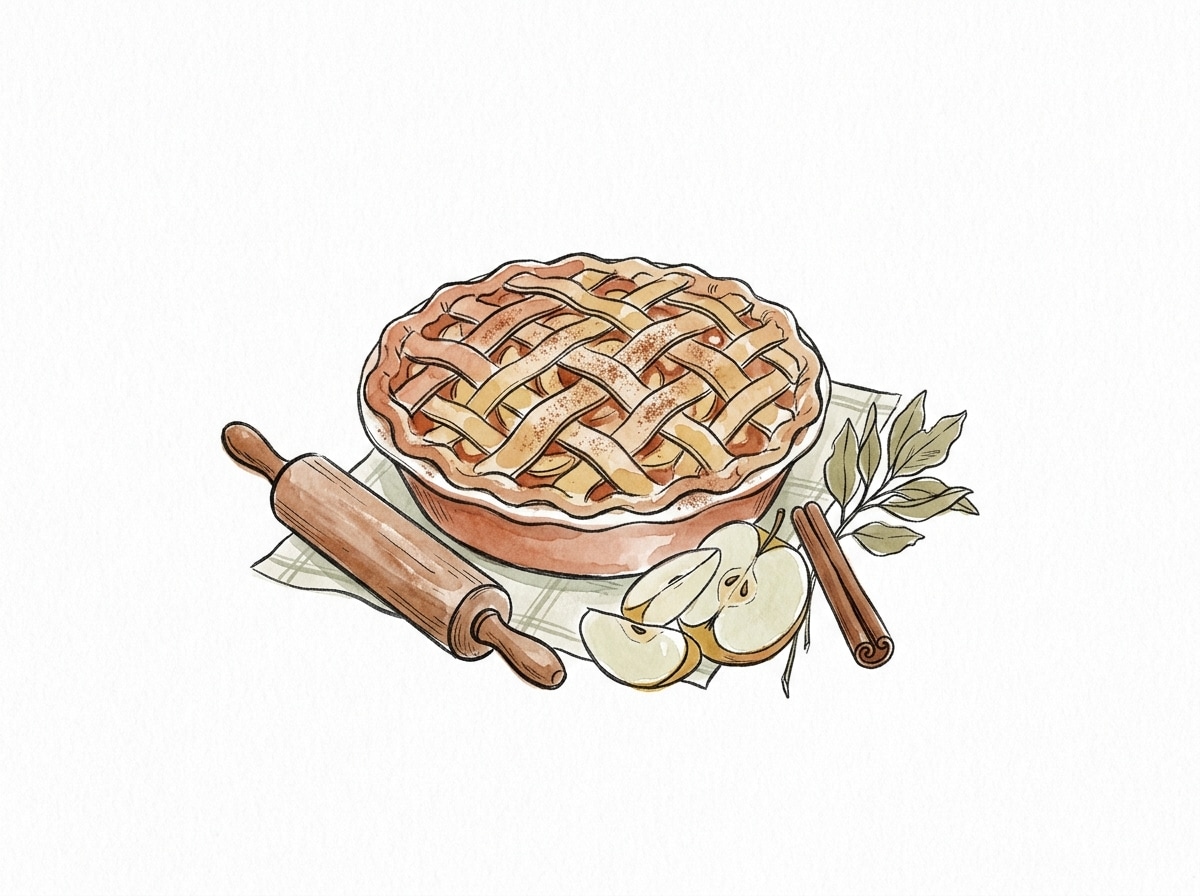
Baking
Adds warm aroma to cakes, muffins, cookies and fruit pies.
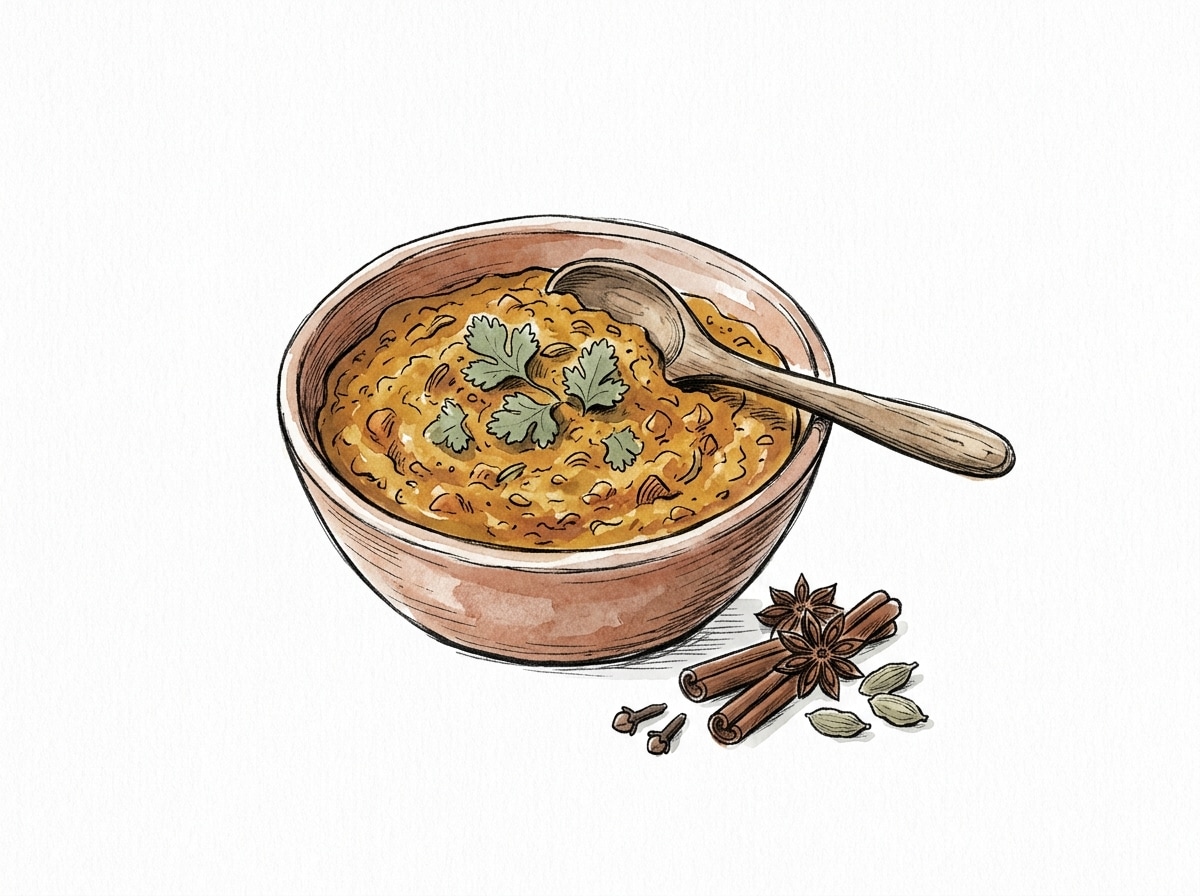
Sauces & soups
Enhances creamy béchamel and hearty pumpkin or mushroom soup.
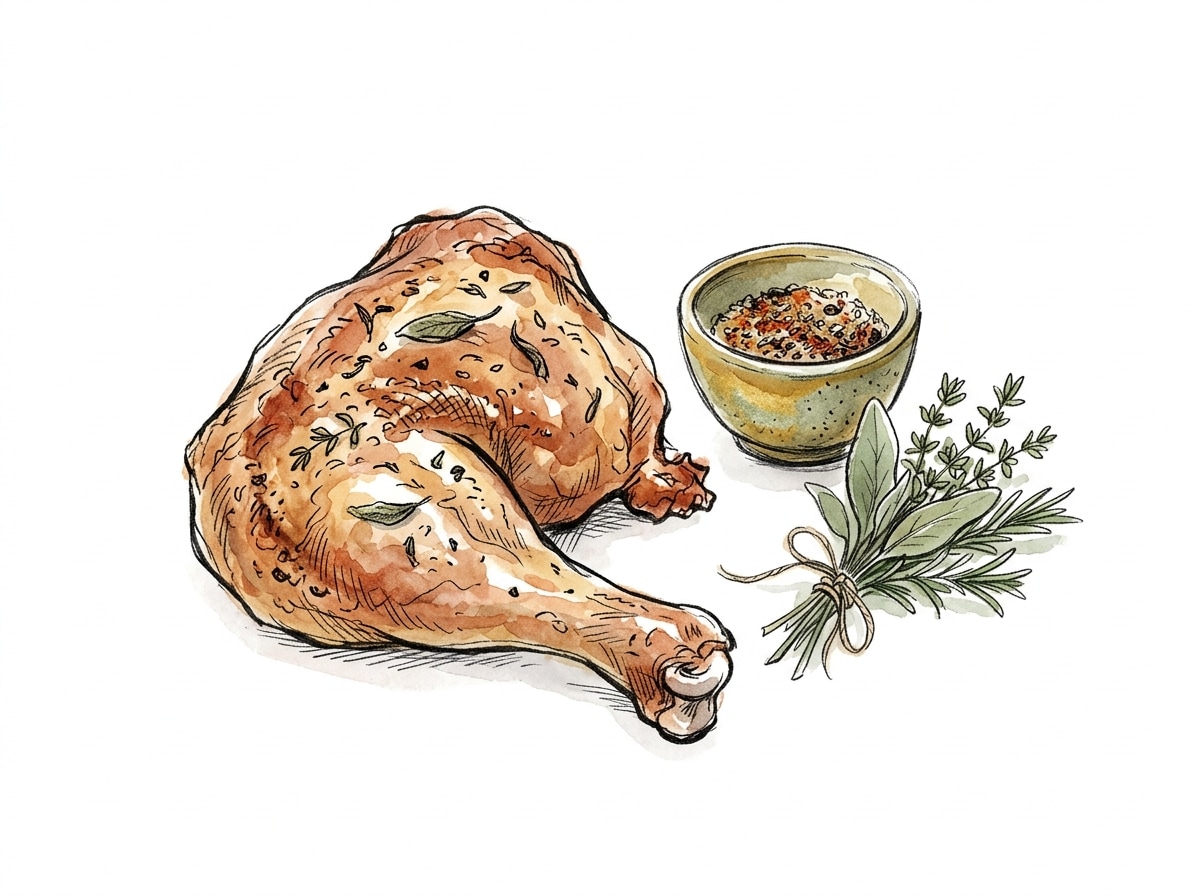
Meat & poultry
Works in roasts, marinades, meatballs and meatloaf.
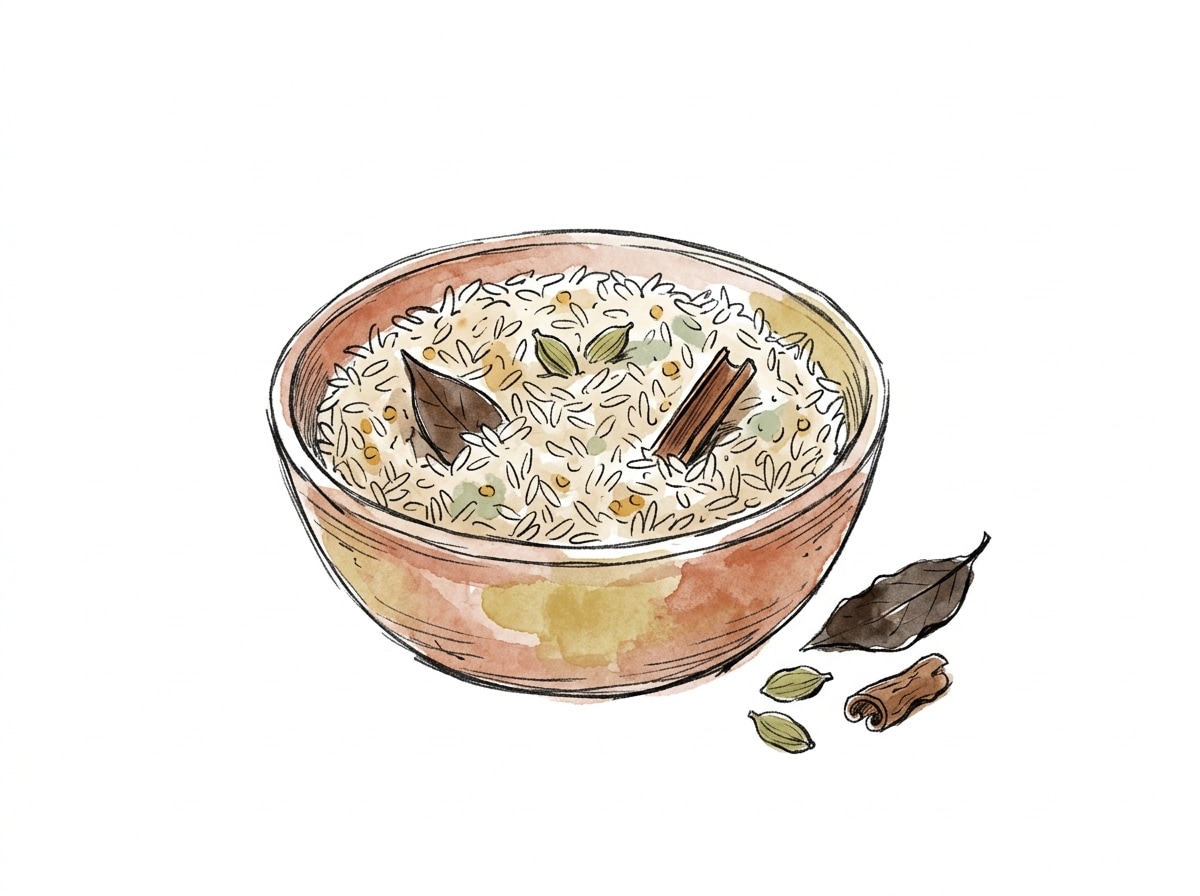
Rice & grains
A warm, slightly spicy note in pilafs and risottos.
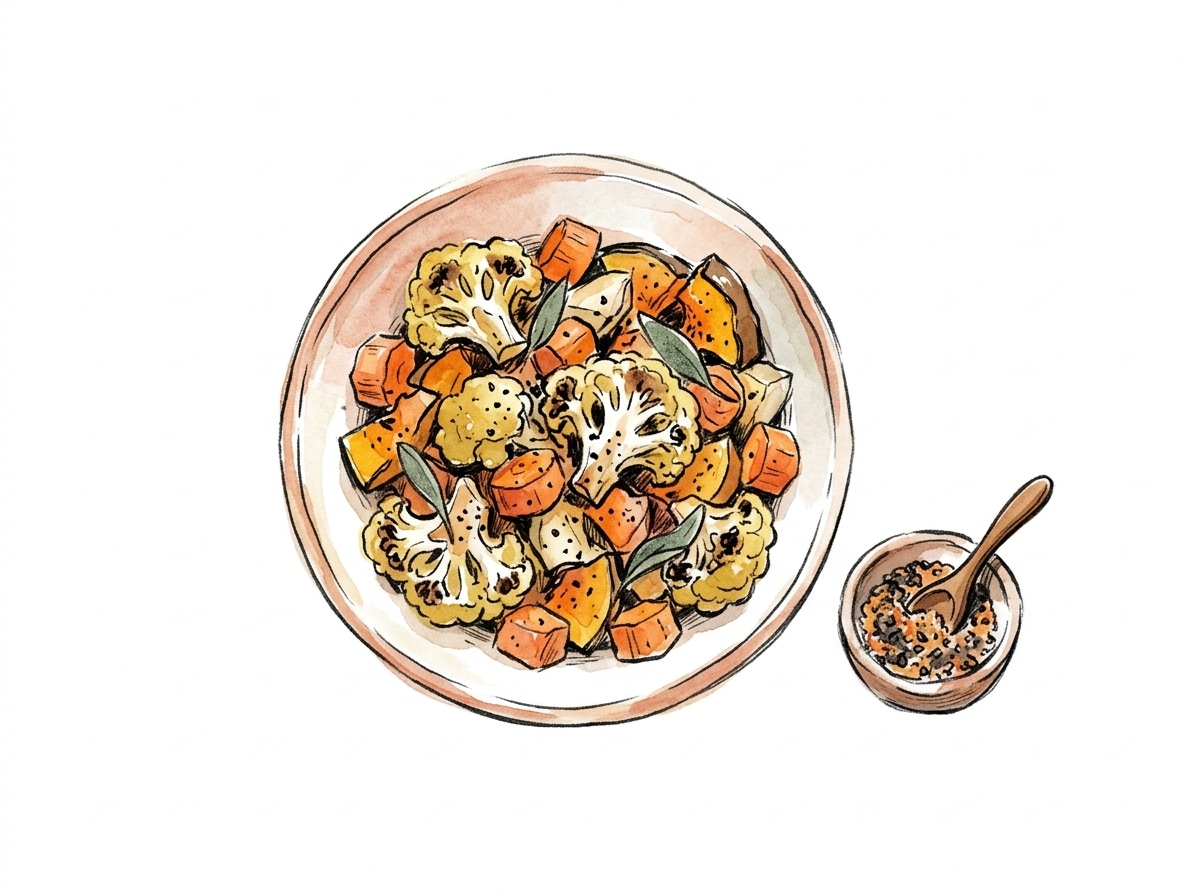
Vegetables
Pairs with creamed spinach, carrots and butternut squash.
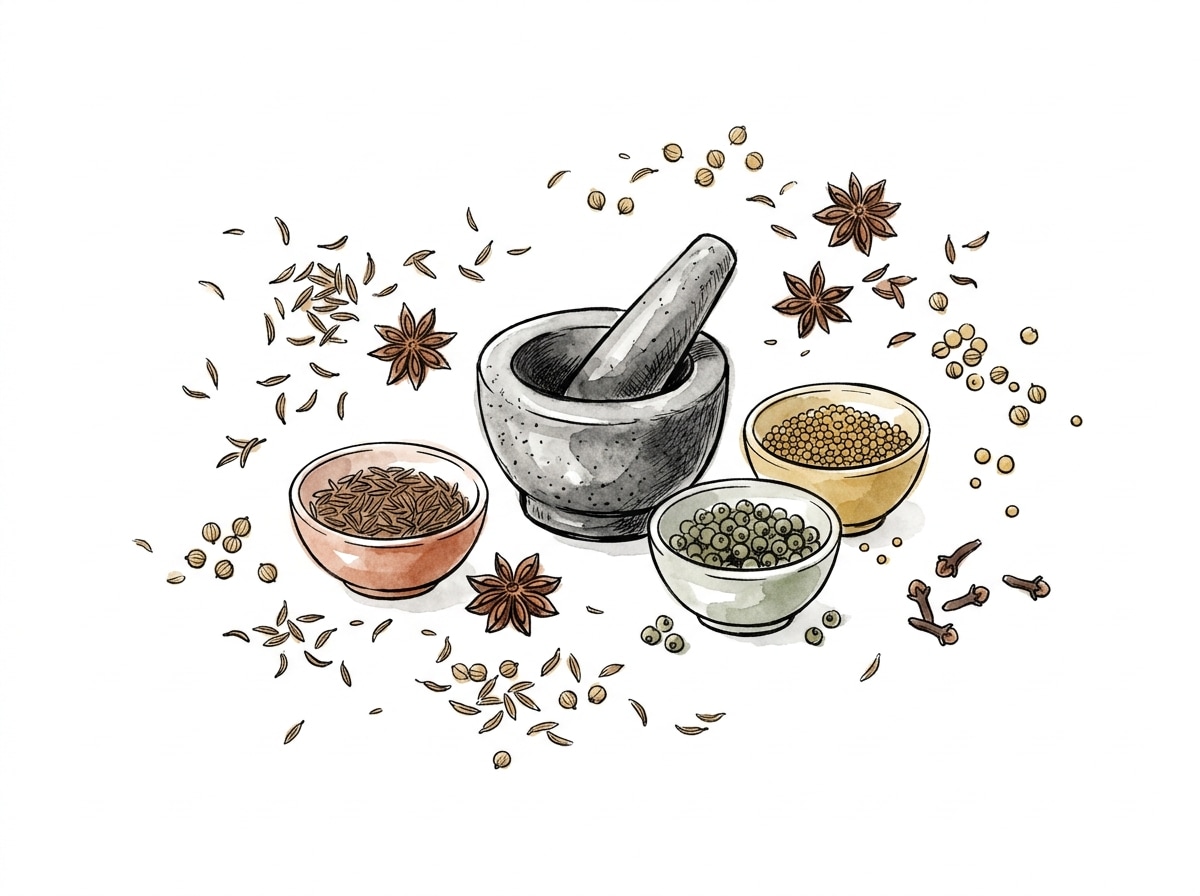
Spice blends
A quiet ingredient in curry powder and garam masala.
A traditional remedy
Mace in home remedies
Mace is brewed into simple preparations for cold relief and digestive support.
Mace tea
Steep blades or a pinch of ground mace in hot water; sip warm with honey.
Mace rice water
Simmer rice with mace blades and sip the strained liquid to settle the stomach.
Soothing broth
Added to warm soups and ciders for gentle comfort.
From the recipe library
Recipes that feature mace
See the spice in action — then make one tonight.
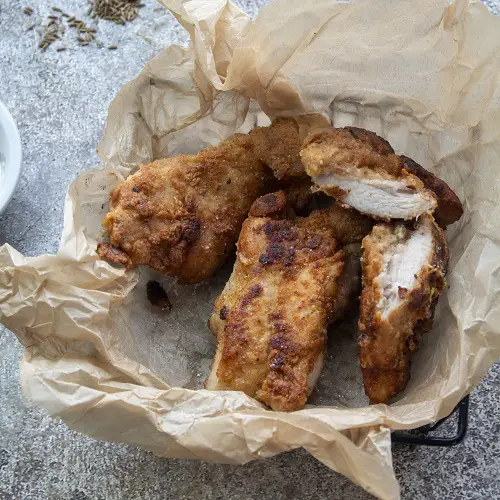
Spicy Fried Chicken
Spicy Fried Chicken Recipe Fried chicken doesn’t need to be complicated to be good. This recipe came out of wanting something quick for two people, with…
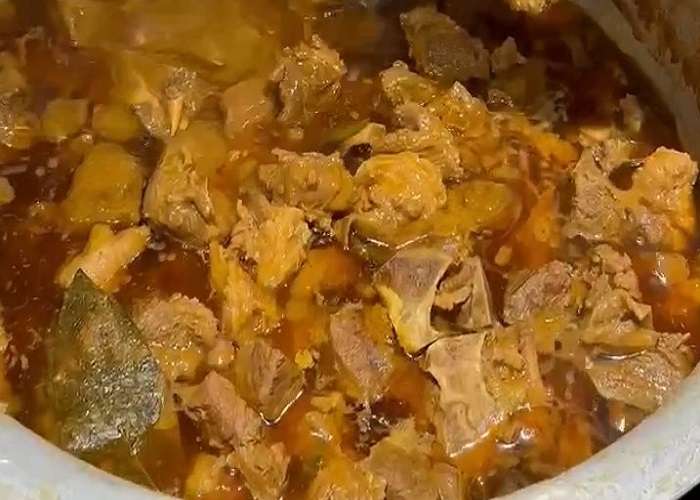
Chottogram Special Mejban Beef By Nishi Mannan
Chottogram Special Mejban Beef This Chottogram Special Mejban Beef is that much extra special because this recipe was voluntarily submitted by one of the…
Cook's note
Think of mace as nutmeg for when nutmeg would be too much. Use a touch more — it's milder.